Forget the tourist traps-Istanbul’s real nightlife lives off the beaten path
Most visitors to Istanbul end up in the same few crowded spots: Istiklal Street, the Bosphorus cruise bars, or the flashy clubs in Beyoglu. But if you’ve been there before-or even if you’re just curious-you’ll find the city’s true energy isn’t in the neon signs. It’s in the back alleys, the unmarked doors, the rooftop terraces with no sign, and the old fishermen’s hangouts turned into jazz lounges. The real Istanbul after dark doesn’t advertise itself. You have to find it.
Where the locals go: The secret rooftop bars
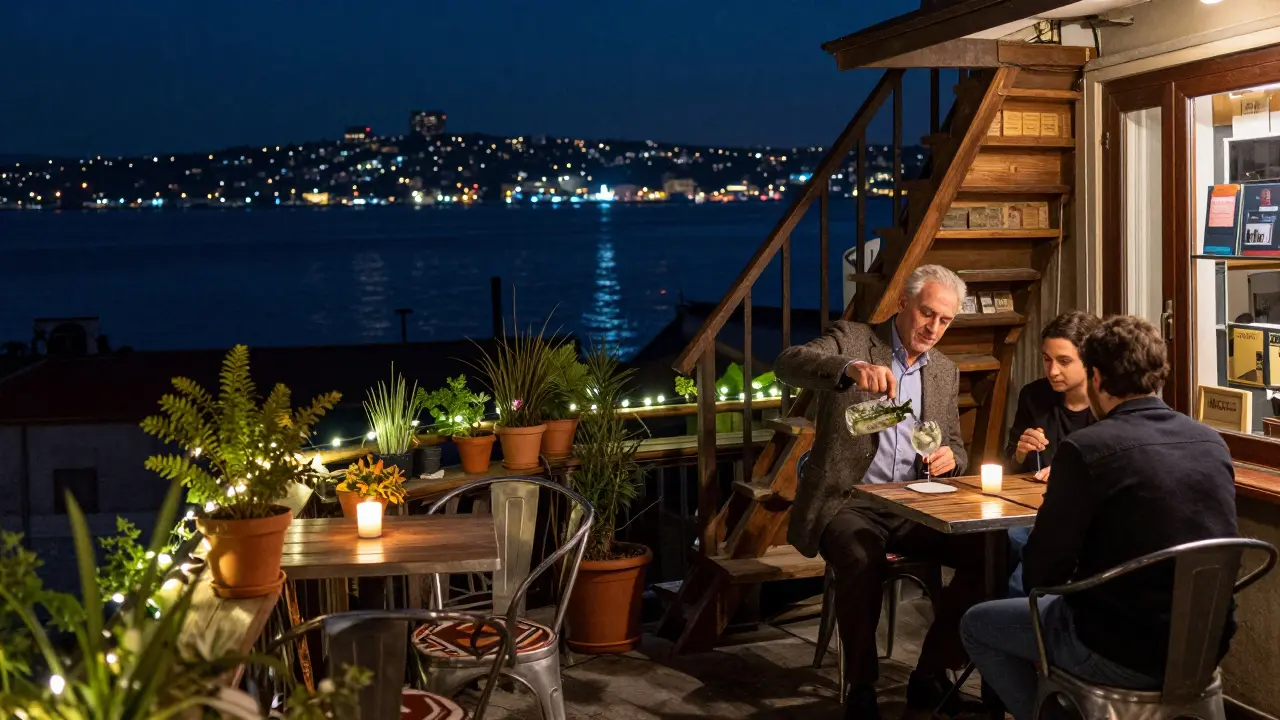
One of the most overlooked parts of Istanbul’s nightlife is its rooftop scene. Not the ones with DJs spinning EDM and velvet ropes. The real ones are quiet, intimate, and often run by people who’ve been there for decades. Head to Perili Kiosk a hidden rooftop bar on the Asian side, tucked into a 19th-century Ottoman mansion. No website. No Instagram page. Just a narrow staircase behind a bookstore in Kadikoy. The view? The Bosphorus lit up like a string of pearls. The drink? A perfectly balanced gin and tonic made with local herbs. It’s packed every Friday night-but not because of the music. It’s because the host, a retired history professor, pours drinks while telling stories about the city’s 1970s jazz scene.
Another spot, Sakarya a tiny rooftop above a tailor shop in Cihangir, only opens after 11 p.m. and never has a menu. You get what the bartender made that day. One regular told me they once served a drink made from black mulberry syrup, rosewater, and a splash of Turkish raki. No one remembers the name. Everyone remembers the taste.
The underground music scene: Jazz, blues, and Ottoman beats
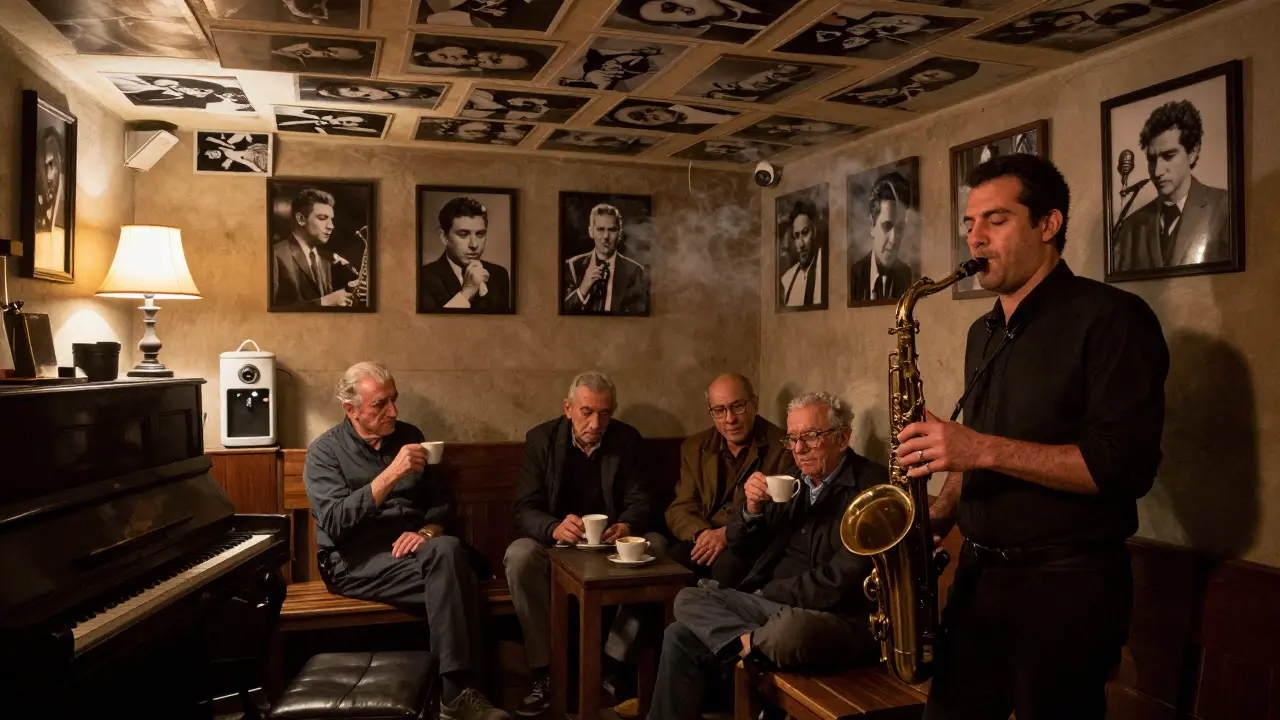
Istanbul has one of the oldest jazz traditions in the Middle East. But you won’t find it in concert halls. You’ll find it in basements. Cafe Nostalgia a 20-seat basement venue in Beyoglu, operating since 1989 is the place where Turkish jazz legends started. The walls are covered in black-and-white photos of musicians who played here with no audience but a few regulars. No cover charge. No alcohol license. Just a coffee machine, a piano, and a guy named Mehmet who plays saxophone every Wednesday. He doesn’t announce it. You just show up at 9 p.m. and hope there’s a seat.
On the other side of town, in the old Armenian quarter of Kumkapı, Saz Evi a tiny, candlelit space where traditional Turkish instruments meet blues riffs blends Ottoman melodies with American blues. The owner, a lute maker from Izmir, handcrafts the instruments you hear. He plays the saz, the kemençe, and the bağlama-all at once. The crowd? Mostly locals in their 50s and 60s. They don’t dance. They close their eyes and nod. That’s the sign you’ve found something real.
The fish market bars: Where the night starts with seafood
Most tourists skip Kumkapı and Kadikoy after dark. Big mistake. These neighborhoods turn into seafood hubs after midnight. At Kumkapı Balıkçısı a row of open-air fish stalls turned into casual bars, locals sit on plastic chairs, eat grilled sardines, and drink raki from small glasses. The raki is served with a side of water and ice-so it turns cloudy. That’s how you know it’s good. No one checks IDs. No one takes cards. Cash only. And the best part? You can order a whole grilled octopus for 30 Turkish lira (about $1). It’s messy. It’s loud. It’s unforgettable.
Across the water in Kadikoy, Cemil’s a 24-hour seafood shack with a backyard garden and a cat named Kedi is where students, artists, and night-shift workers gather. The menu? Five dishes. All fresh. All cooked in front of you. The owner, Cemil, has been there since 1985. He doesn’t speak English. But he’ll hand you a glass of ayran and point to the sea. That’s your cue to stay awhile.
Boat parties you won’t find on Google
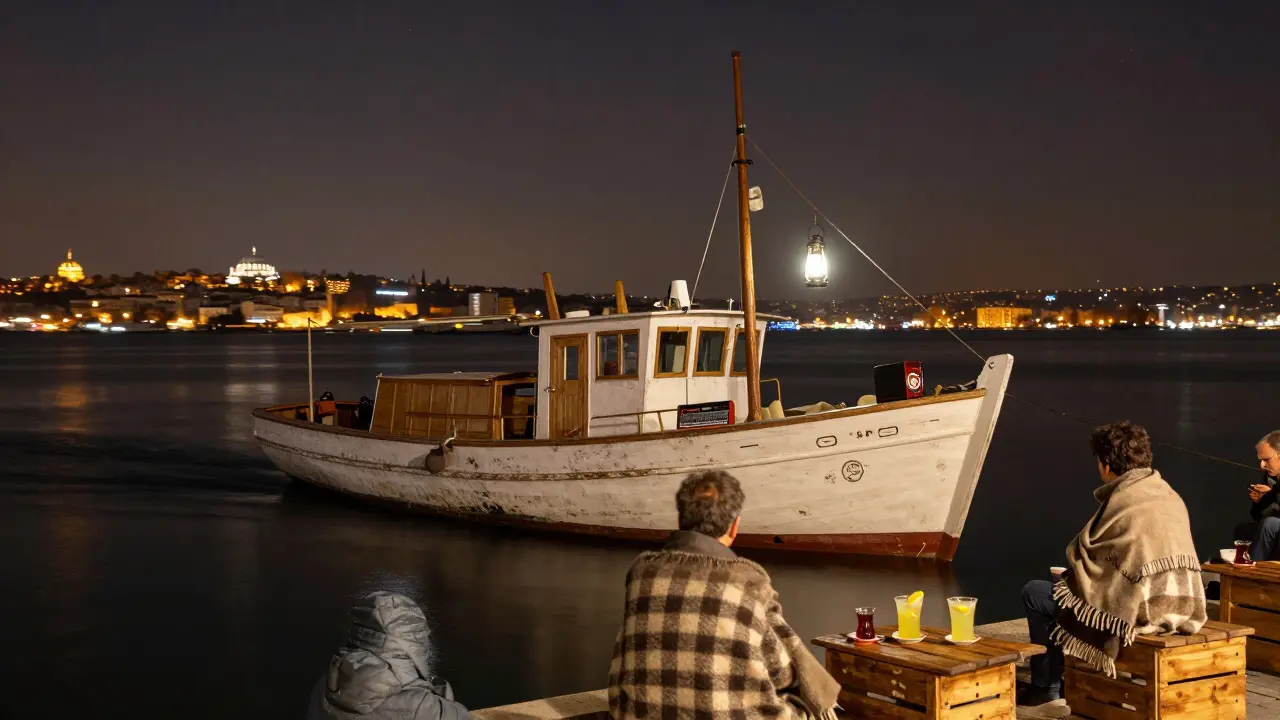
Yes, there are yacht parties on the Bosphorus. But the ones that matter? They’re not on Airbnb Experiences. They’re on old fishing boats repurposed by local sailors. Sultan’s Dream a 1950s wooden trawler turned into a floating bar leaves from Besiktas every Friday at 10 p.m. No website. No tickets. Just a text message to a number you get from a friend. The boat drifts slowly between the European and Asian shores. The music? A mix of Turkish folk, old funk, and ambient synth. No lights. Just lanterns. No bartender. Just someone passing out tea and homemade rakı lemonade. You’ll need to bring your own snacks. And your own sense of adventure.
The late-night coffee culture: Where the night doesn’t end-it changes
Istanbul doesn’t sleep. It just shifts. At 3 a.m., the bars close. But the coffee shops open. Sufi Kafe a tiny, no-frills coffee shop in Fatih, open since 1992 serves Turkish coffee brewed in a cezve, with a side of poetry. The owner, a retired literature teacher, reads aloud from Rumi or Nazım Hikmet every night. No one pays. There’s a jar on the counter. You leave what you can. The regulars? Writers, poets, and night nurses. They talk about dreams, not parties.
Another gem: Kahve Duvarı a wall of coffee cups in a hidden courtyard behind a mosque in Üsküdar. It’s not a shop. It’s a ritual. Locals bring their own cups. The man behind the counter, a 78-year-old former sailor, pours coffee from a single pot. He doesn’t ask names. He asks: "Did you dream last night?" That’s the conversation starter.
Why this matters: Istanbul’s nightlife is about connection, not consumption
Most cities sell nightlife as an experience. Istanbul gives you a moment. It’s not about how many clubs you hit. It’s about who you sit with. It’s about the old man who remembers when the Bosphorus froze. The woman who plays the oud on Tuesdays. The fisherman who tells you why the sardines taste better in spring. This isn’t entertainment. It’s memory-making.
There’s no guidebook for these places. No Yelp reviews. No TikTok trends. You find them by wandering. By asking. By saying "Merhaba" to someone who looks like they’ve been here longer than you’ve been alive. That’s when Istanbul lets you in.
What’s the best time to experience Istanbul’s hidden nightlife?
The best time is between April and October, when the weather is mild and outdoor spaces like rooftops and fish market bars are open. But even in winter, places like Cemil’s, Sufi Kafe, and Kahve Duvarı stay alive. The real hidden gems don’t close-they just get quieter.
Is Istanbul nightlife safe for solo travelers?
Yes, especially in the neighborhoods mentioned. Kumkapı, Kadikoy, Cihangir, and Fatih are generally very safe at night. Locals are protective of their spots. But always trust your instincts. If a place feels off, walk away. The best hidden spots don’t need to prove they’re worth it-they just are.
Do I need to speak Turkish to enjoy these places?
No, but a few basic phrases help. "Merhaba" (hello), "Teşekkür ederim" (thank you), and "Ne var?" (What’s up?) go a long way. Most hosts don’t speak English, but they appreciate the effort. A smile and a nod often mean more than a phrasebook.
Are these places expensive?
Not at all. A drink at Perili Kiosk costs around 150 Turkish lira ($5). A full seafood meal at Kumkapı is under 200 lira ($7). Even the boat parties don’t charge-just ask for a donation. Istanbul’s hidden nightlife is affordable because it’s not designed for tourists. It’s designed for people who want to belong, even if just for one night.
How do I find these places without a guide?
Walk. Get lost. Ask a shopkeeper, a taxi driver, or someone at a local café: "Where do you go after midnight?" Don’t search online. The best spots aren’t listed. They’re passed down. And if someone tells you to go somewhere, follow them. They’ll know if you’re serious.