When the sun sets in Milan, the city doesn’t just switch off-it revs up. Forget the quiet, elegant image you might associate with Italy’s fashion capital. After dark, Milan transforms into one of Europe’s most electric nightlife destinations. Whether you’re into underground techno, rooftop cocktails, or late-night Italian disco, the city delivers. And if you’re looking for the real deal-not the tourist traps-you need to know where to go.
Where the Locals Go: Navigating Milan’s Nightlife Zones
Milan doesn’t have one big nightlife district. It has several, each with its own vibe. Skip the central Piazza Duomo after 10 p.m. unless you want to see crowds taking selfies. The real party starts where the locals live, work, and unwind.
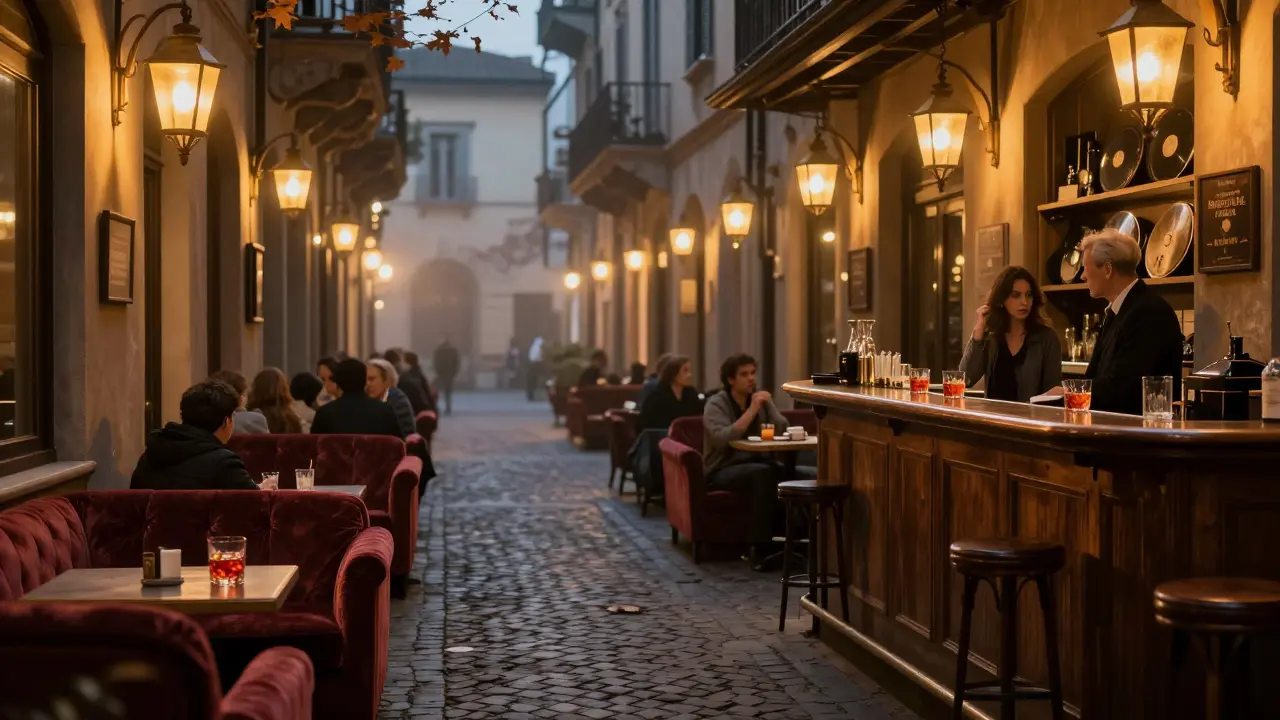
Brera is the artsy, intimate side of Milan after dark. Narrow cobblestone streets hide hidden bars with velvet couches, jazz playlists, and craft cocktails. Try Bar Basso for its legendary Negroni-crafted the same way since 1982. It’s not loud, but it’s where Milanese professionals wind down with a glass and a chat.
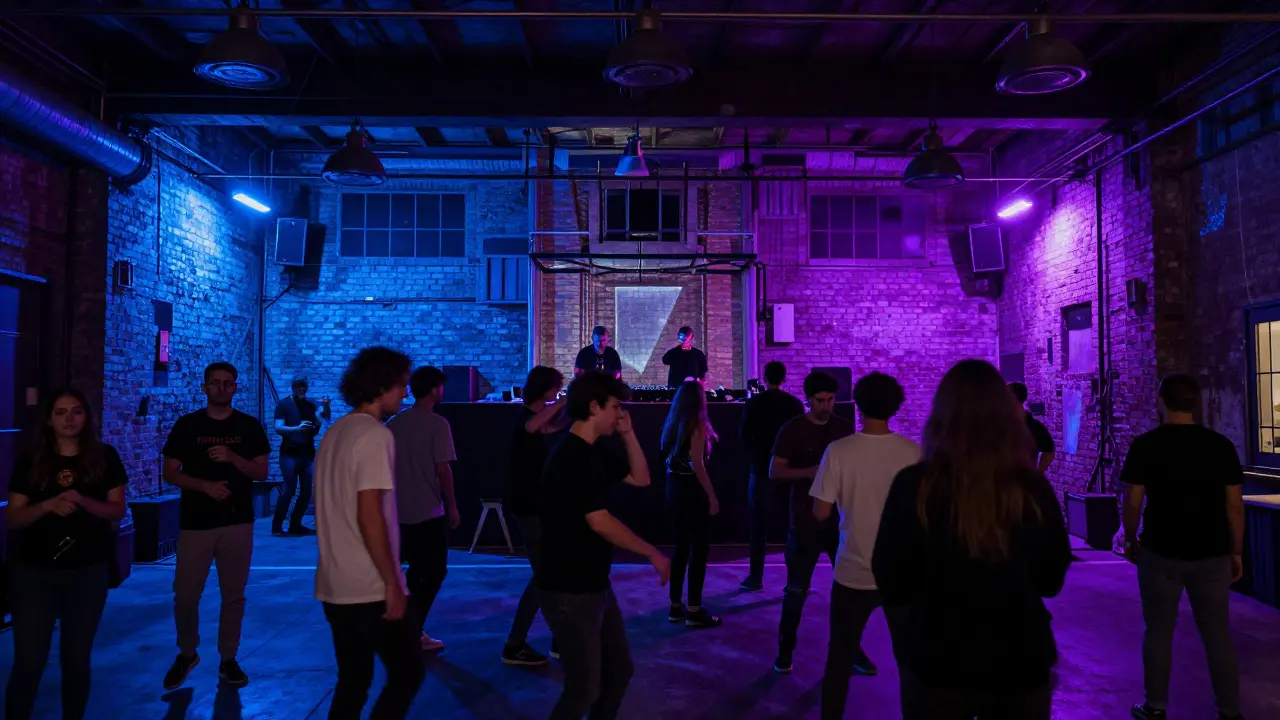
Zona Tortona is where Milan’s creative scene explodes after hours. Once an industrial zone, it’s now a warehouse district packed with pop-up clubs, art galleries, and underground raves. The best nights here are Thursday to Saturday, when Alcatraz and Magazzini Generali turn empty factories into bass-thumping temples. No dress code. Just show up with energy.
Corso Como is the glam side. Think designer lounges, bottle service, and celeb sightings. Corso Como 10 is the epicenter-open until 4 a.m., with a mix of Italian models, artists, and international DJs. It’s expensive, but the vibe is unmatched. If you’re going here, dress sharp. No sneakers.
Top 5 Clubs That Actually Deliver
Not every club with a neon sign is worth your time. These five have stood the test of seasons, crowds, and changing trends.
- La Scala Club - Not to be confused with the opera house. This basement club in Porta Venezia plays deep house and techno with a 200-person capacity. No VIP tables. Just pure sound, dim lighting, and a crowd that knows how to move. Open Friday and Saturday only.
- Magazzini Generali - A sprawling complex of rooms, each with a different genre. One room might be drum and bass, another Italian disco revival. It’s open until 6 a.m. and often has free entry before midnight.
- Le Scimmie - A retro-futuristic dive bar turned club. Think 80s synthwave, 90s hip-hop, and 2000s pop. The playlist changes every hour. Drinks are cheap. The energy is contagious. It’s the go-to spot for 20-somethings who hate pretentiousness.
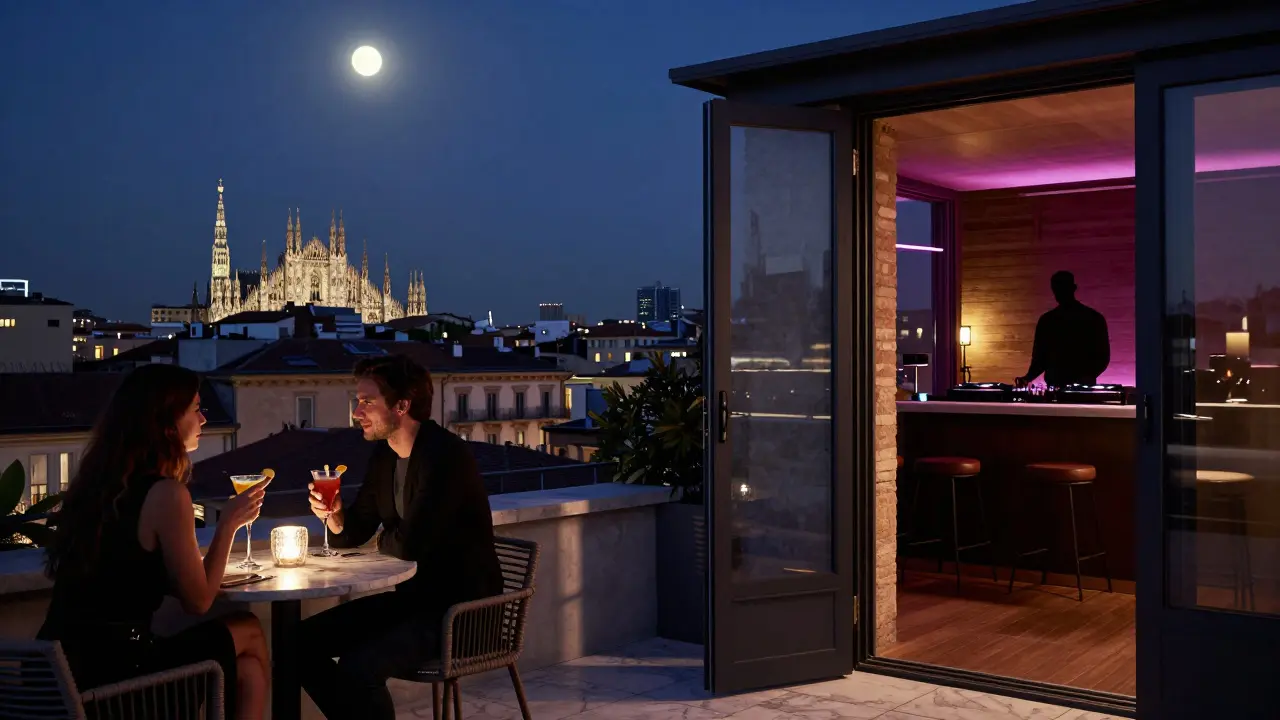
- Capo Città - A rooftop bar with a hidden club in the back. Get in before 1 a.m. and you’ll find DJs spinning rare vinyl from their personal collections. The view of the city skyline is free. The drinks? Not so much.
- Teatro degli Arcimboldi - A former theater turned into a massive club. Hosts international acts like Sven Väth and Charlotte de Witte. Tickets sell out fast. Sign up for their newsletter if you want early access.
Bars That Keep It Real
Not every night needs a club. Sometimes you want a good cocktail, a quiet corner, and someone who remembers your name.
- Bar Basso - Still the gold standard. Order a Negroni. Don’t ask for substitutions. It’s not just a drink-it’s a ritual.
- Il Gatto Nero - A speakeasy hidden behind a bookshelf in Brera. You need a reservation. They serve whiskey from single casks and know how to pair it with dark chocolate.
- La Serra - A greenhouse bar in the Navigli district. Open-air, vine-covered, with live acoustic sets on weekends. Perfect for a slow night out before heading to a club.
- Bar Luce - Designed by Wes Anderson. Yes, really. It’s inside the Fondazione Prada. Order an espresso, sit at the Formica counter, and feel like you’re in a 1960s Italian film.
What to Expect: Rules, Times, and Local Tips
Milan’s nightlife runs on its own rhythm. Here’s what you need to know to blend in.
- Most clubs don’t open before midnight. Arrive at 12:30 a.m. to avoid lines.
- Dress code isn’t always written, but it’s felt. No shorts, flip-flops, or sports jerseys in upscale spots. A simple black shirt and jeans work everywhere.
- Italian clubs rarely charge cover before 1 a.m. After that, expect €10-€20. Some places offer free entry for women.
- Don’t ask for American-style cocktails. Italians take their drinks seriously. If you want a gin and tonic, ask for “gin tonic.”
- Public transport stops at 1:30 a.m. Uber and Bolt are reliable, but prices spike after 2 a.m. Plan ahead.
- Smoking is banned indoors. Most bars have outdoor terraces. If you’re a smoker, bring a jacket-it gets chilly after midnight.
When to Go: Seasonal Picks
Milan’s nightlife changes with the seasons.
- Spring (March-May) - The city wakes up. Outdoor terraces open. Corso Como and Navigli come alive with rooftop parties. Early April is prime time.
- Summer (June-August) - The clubs go quiet. Locals head to Lake Como or the coast. But the big festivals like Summer Day and Milan Pride bring massive crowds. Book hotels early.
- Autumn (September-November) - The real season starts. New DJs, new venues, new energy. October through November is the best time to experience the club scene at its peak.
- Winter (December-February) - Quiet. But December brings Christmas Market Nights in Piazza Scala, with mulled wine and live jazz. January is slow. February? Try Milan Fashion Week parties. They’re invite-only, but some clubs open doors to the public.
What to Skip
Not every place with a long line is worth it.
- Avoid La Perla unless you’re with someone who knows the owner. It’s loud, overpriced, and filled with tourists trying to "do Milan" in 90 minutes.
- Stay away from the area around Piazza Duomo after 11 p.m. unless you’re looking for a selfie with the cathedral. The bars there are overpriced and dull.
- Don’t believe the hype around Club 21. It’s been the same since 2015. No new DJs. No fresh energy.
Final Tip: Go Early, Stay Late
The secret to Milan’s nightlife? It doesn’t start at midnight. It starts when the last office worker leaves. By 1 a.m., the real crowd shows up. The music gets deeper. The drinks get better. The energy? Unmatched.
Start in a bar. Move to a club. End at a 24-hour espresso stand like Caffè della Scala near Porta Venezia. That’s the Milan way.
Is Milan nightlife safe for solo travelers?
Yes, Milan is one of the safest major European cities for solo travelers at night. The main nightlife zones-Brera, Navigli, Corso Como-are well-lit and patrolled. Stick to busy areas after 2 a.m., avoid unmarked alleys, and use Uber or Bolt if you’re unsure. Don’t carry large amounts of cash. Most places accept cards.
Do I need to speak Italian to enjoy Milan nightlife?
No, but knowing a few phrases helps. Most bartenders and club staff speak English. However, saying "Grazie" or "Un bicchiere di vino, per favore" gets you better service. Italians appreciate the effort. Don’t expect them to switch languages first-ask politely.
What’s the average cost for a night out in Milan?
You can have a great night for €30-€50. That includes two cocktails (€12 each), club entry (€10-€15), and a late-night espresso (€2). If you’re going to Corso Como or La Scala Club, budget €70-€100. Bottle service starts at €200. Most people don’t do it.
Are there any 24-hour spots in Milan?
Yes. Caffè della Scala opens 24/7. So does Pasticceria Marchesi near the Duomo. Both are popular with night owls and early risers. You can grab a cornetto at 4 a.m. and still feel like part of the city.
Can I go clubbing in Milan without a reservation?
For most clubs, yes. Only the biggest names like Teatro degli Arcimboldi or special events require tickets. For the rest, just show up. Lines form after 1 a.m., so aim for 12:30 a.m. to skip them. If a club asks for a reservation before midnight, it’s probably not worth it.