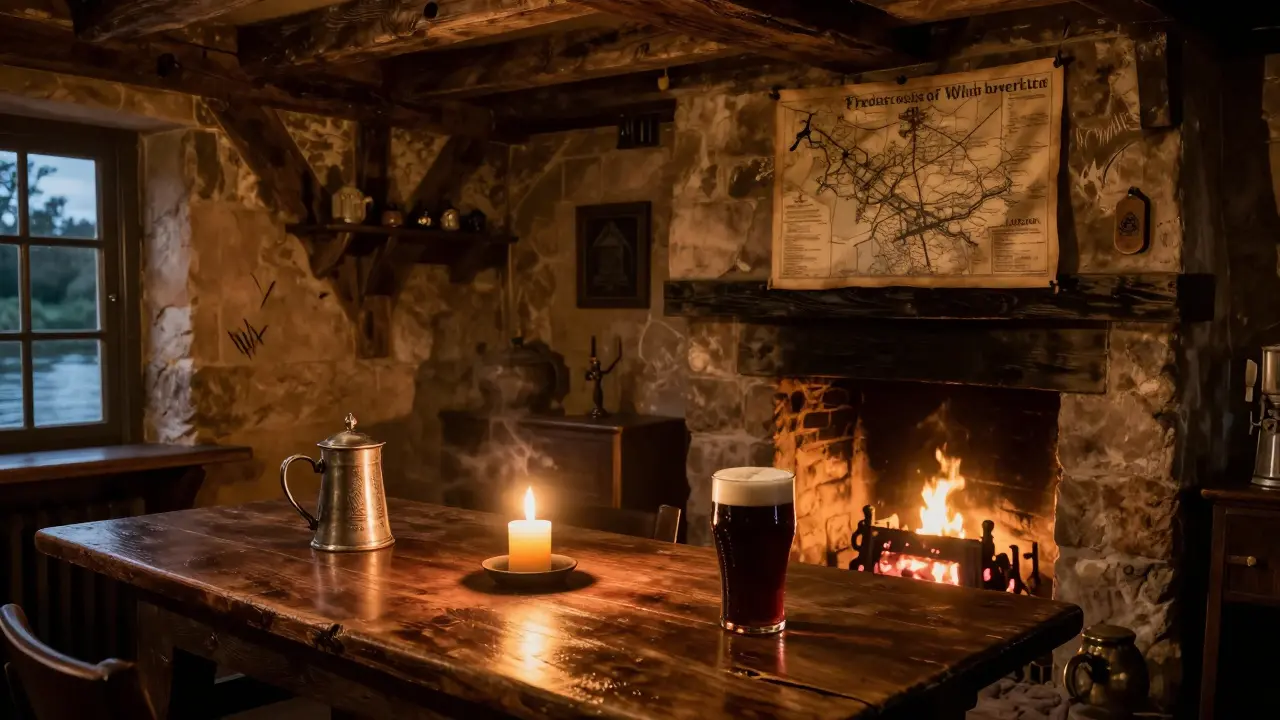
London’s nightlife isn’t just about clubs and cocktails-it’s a living museum. Walk into any of the city’s oldest pubs, and you’re stepping into a room where Charles Dickens once leaned over the bar, Samuel Johnson debated philosophy, or a Roman soldier might have drunk ale centuries before. If you love history, London after dark isn’t just fun-it’s a time machine.
Where History Comes Alive After Sunset
Most tourists see the Tower of London or Westminster Abbey during the day. But the real stories of London don’t stay locked behind glass. They live in the dim corners of pubs, the creaking floorboards of taverns, and the smoke-stained ceilings of places that have survived plagues, fires, and wars.
The The Prospect of Whitby is a riverside pub in Wapping, dating back to 1520, making it one of the oldest riverside drinking spots in London. Also known as The Devil’s Tavern, it was once a haunt for pirates, smugglers, and body snatchers. The walls still bear scratches from old knives, and the cellar was used to hold prisoners before they were hanged on the nearby gallows. You can sit where sailors once toasted their next voyage-and still get a decent pint of bitter.
Historic Pubs That Still Serve Real Ale
London has over 500 pubs older than 200 years. But not all of them still feel authentic. The best ones for history lovers are the ones that haven’t been turned into themed cocktail bars or tourist traps.
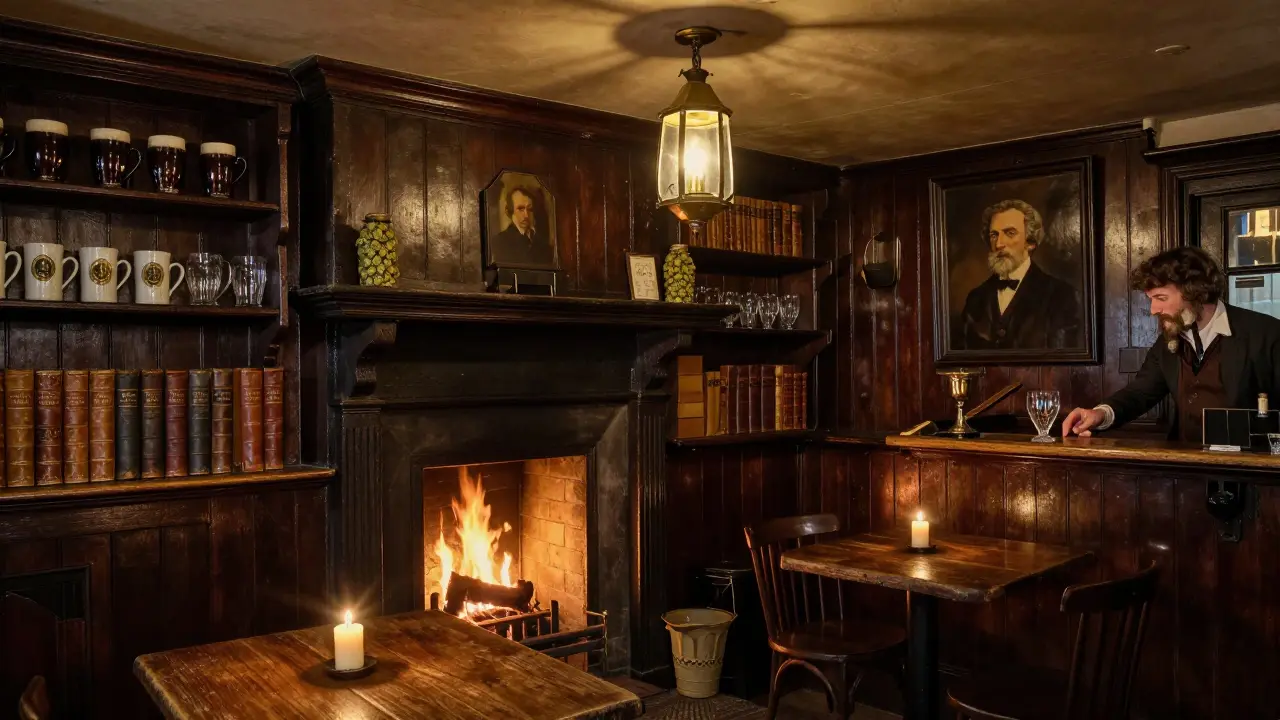
- The Cheshire Cheese is a 17th-century pub in Fleet Street, rebuilt after the Great Fire of London in 1666. It’s narrow, wood-paneled, and smells like old leather and hops. Charles Dickens, Mark Twain, and Oscar Wilde all drank here. The pub still serves cask ale the same way it did in 1860-with no neon signs, no flat-screen TVs, just a single candle on each table.
- The Ram Inn is a 15th-century pub in Southwark, tucked under London Bridge. It was once a resting place for pilgrims on their way to Canterbury. The beams are original, the fireplace still heats the room in winter, and the staff still wear aprons like they did in 1912. It’s quiet, unassuming, and rarely crowded-even on a Friday night.
- The Anchor Brewery Tap is the last surviving pub from the old Anchor Brewery, founded in 1702. The building has been restored to look exactly as it did in 1850. The beer is brewed on-site using the same yeast strain that survived WWII. You can watch the brewers through a glass wall while you sip.
Secret History Bars and Speakeasy-Style Spots
Some of London’s most fascinating nightlife spots aren’t obvious. They’re hidden behind bookshelves, down alleyways, or behind unmarked doors.
The Vagina Museum Bar is a quirky, history-driven cocktail lounge in Camden that explores the forgotten roles of women in London’s drinking culture. It doesn’t just serve drinks-it tells stories. Try the “Punch of the Suffragettes,” made with gin, elderflower, and a dash of lemon, inspired by women who smuggled alcohol into prison protests in 1913. The walls are lined with 18th-century drinking tokens, suffragette pamphlets, and photos of Victorian barmaids who ran their own pubs.
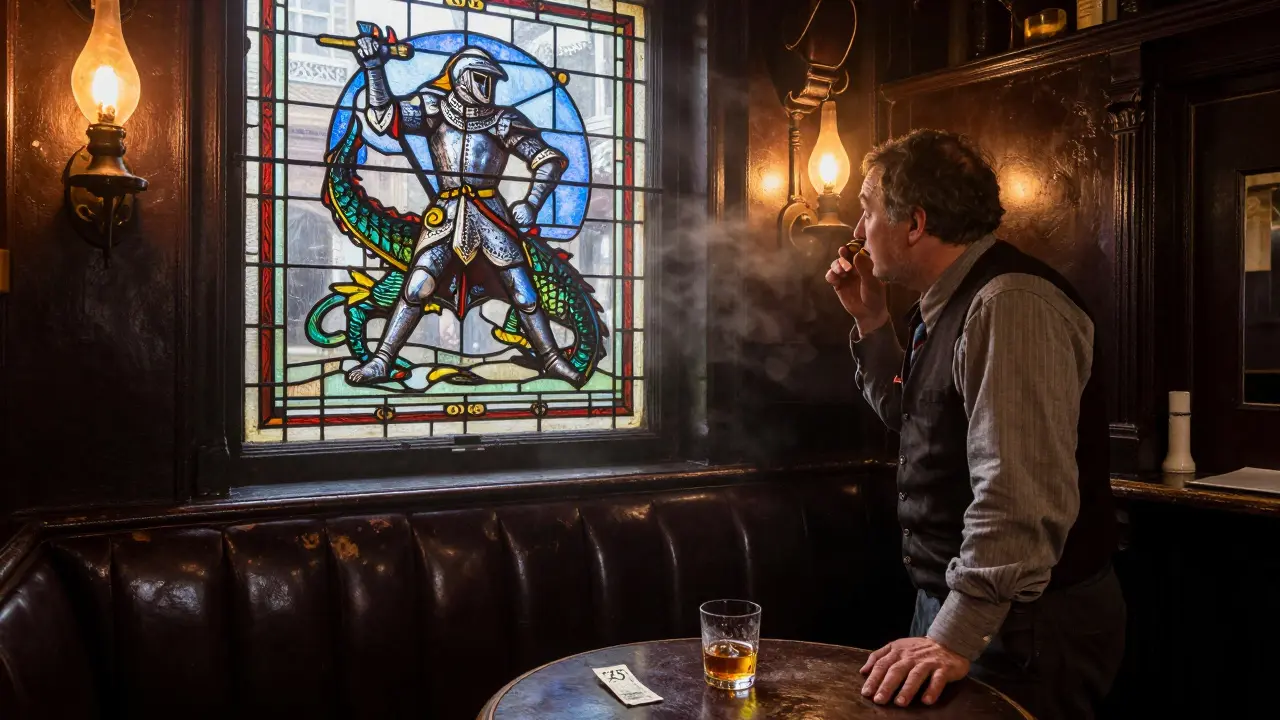
The Blind Beggar is a 19th-century pub in Whitechapel, where the Kray twins once ruled the East End. The pub still has the original stained-glass window that shows a knight slaying a dragon-rumored to be a hidden symbol of the Krays’ rise to power. The bartender, who’s been working here since 1987, will tell you about the time Ronnie Kray sat in the back booth and paid for every drink in the room with a single £5 note.
Guided Night Walks That Turn Pub Hopping Into a History Lesson
If you’d rather not wander alone, book a guided night walk. These aren’t ghost tours. These are history tours led by former museum curators and archivists.
- The Roman London Pub Crawl follows the path of the old Roman road from Londinium’s forum to the Thames. Stops include a reconstructed Roman tavern and a pub built over a 2,000-year-old sewer pipe. You’ll taste Roman-style spiced wine and hear how soldiers drank to avoid waterborne disease.
- The Plague and Fire Pub Trail starts at the site of the Great Plague’s epicenter and ends at the pub where King Charles II ordered the first fire brigade to be formed. Each stop includes a drink that was popular in that era-like sack wine during the plague or porter after the fire.
- The Victorian Drinking Dens tour visits five pubs that once housed illegal gambling dens, brothels, and opium lounges. You’ll hear how working-class women ran these places and how the law turned a blind eye-for a price.
What to Order: Drinks With a Past
Don’t just drink what’s on the menu. Ask for the historical specials.
- Posset-a medieval spiced drink made with hot milk, wine, and nutmeg. Still served at The Cheshire Cheese on Tuesdays.
- Stingo-a strong, sour beer brewed in the 1700s. You’ll find it at The Anchor Brewery Tap. It tastes like sour apple and burnt sugar.
- Black Strap Rum-a dark rum from Jamaica that was the favorite of 18th-century sailors. The Prospect of Whitby serves it in a pewter tankard, just like it was in 1750.
- London Pride-a traditional bitter brewed since 1959 by Fuller’s. It’s not ancient, but it’s the last major British beer still made with the same recipe since before WWII.
When to Go: Timing Matters
History buffs should avoid weekends if they want the real vibe. Friday and Saturday nights are packed with tourists and loud music. The best nights are:
- Wednesday nights-quiet, locals only, pub staff often give free historical tours.
- Early evening-arrive at 6:30 PM. The lights are low, the fire is lit, and the real stories start flowing.
- Winter months-fog, candlelight, and the smell of woodsmoke make historic pubs feel like they’ve been frozen in time.
What to Skip
Not every old building is worth a visit.
- Avoid pubs with “1600s” in their name but have a DJ booth and a selfie wall. They’re usually modern rebrands.
- Stay away from “Victorian-themed” cocktail bars that use fake gas lamps and fake mustaches. They’re fun, but they’re not history.
- Don’t go to pubs that only serve craft lagers and avocado toast. The real historic spots still serve cask ale, pickled eggs, and pie and mash.
Final Tip: Talk to the Staff
The best history isn’t on plaques. It’s in the stories the bartenders tell. If you ask, “What’s the weirdest thing you’ve seen here?”-you’ll get a tale you won’t find in any guidebook. One bartender at The Ram Inn told me about a man who came in every night for 47 years, sat in the same chair, and left a single coin on the bar. He never spoke. He died in 2019. The coin is still there.
Are there any historic pubs in London that still have original architecture?
Yes. Many pubs in London have kept their original beams, fireplaces, and flooring. The Cheshire Cheese, The Ram Inn, and The Prospect of Whitby all retain 17th-century or earlier structures. Some even have original brickwork from the 1500s. These aren’t restored-they’ve been preserved. You can still see the marks from old knives, candle burns, and centuries of smoke.
Can I visit these pubs during the day?
Absolutely. Most historic pubs are open from noon until late. But the atmosphere changes after dark. The lighting is lower, the stories get darker, and the staff are more likely to share secrets. If you want the full experience, go in the evening.
Are these pubs expensive?
Not at all. A pint of real ale costs between £5 and £7. A meal like pie and mash runs £10-12. Guided walks cost £15-25, which is less than a museum ticket. These places are intentionally affordable to keep the local culture alive.
Do I need to book a tour to visit these places?
No. All the pubs listed are open to the public. But if you want to hear the deep history-like who slept in the cellar or which king once hid here-you’ll need a guided walk. These are run by historians, not tour companies. Book through local history societies or the pubs themselves.
Is London’s historic nightlife safe at night?
Yes. The historic pubs are in well-lit, busy areas like Southwark, Wapping, and the City. Most are within walking distance of Tube stations. Stick to the main streets after dark, and you’ll be fine. Avoid side alleys unless you’re with a guide.