
Most people think of London escorts as glamorous, mysterious, or even dangerous. But the truth? It’s just another job. A messy, complicated, exhausting, and sometimes deeply human one. I’ve been doing this for over seven years. Not because I wanted to be a star. Not because I was forced into it. But because it paid better than my bartending job, gave me control over my time, and let me build something real on my own terms.
It Starts with a Listing
You don’t walk into an agency and sign a contract like you would at a call center. Most of us start online. A simple website. A few good photos. A clear description of what we offer-and what we don’t. The rules aren’t written anywhere, but they’re understood: no drugs, no violence, no public spaces, no clients who ask for too much. And always, always, a screening call before any meeting.
I remember my first client. He was nervous. Asked if I liked jazz. I said yes. He brought a vinyl record. We talked for two hours. He didn’t even touch me. Left a £200 tip and a thank-you note. That’s when I realized: this isn’t just about sex. It’s about loneliness. It’s about someone needing to feel seen, even if just for an hour.
The Hidden Rules of the Game
There’s no union. No HR department. No sick pay. If you’re sick, you cancel. If you’re late, you lose the booking. If a client gets aggressive, you’re on your own. The police won’t help unless there’s physical assault. And even then, many of us don’t report it. Why? Because the stigma doesn’t care if you’re the victim.
But we’ve built our own systems. WhatsApp groups. Shared client lists. A code word for ‘trouble’. If someone’s flagged as a creep, the message spreads faster than a rumor in a high school. We swap stories over tea, not to gossip, but to stay safe. One girl I know always brings a friend to meet new clients-just to sit in the car. Another uses a fake name, changes her number every three months. I keep a voice recorder on my phone. Always.
Who Are the Clients?
People imagine rich CEOs, lonely billionaires, or young guys with too much money. The truth? It’s way more ordinary. A teacher from Kent who drives in once a month. A widower from Wimbledon who just wants someone to hold him. A software engineer from Bristol who’s never had a real relationship. A married man who says he’s not cheating-he’s just ‘paying for comfort’.
I’ve had CEOs. I’ve had priests. I’ve had teenagers who cried because they’d never been kissed. I’ve had men who brought me flowers. I’ve had men who tried to record me without asking. The range of humanity here is wider than any movie or book ever shows.
And here’s the thing no one talks about: most clients are respectful. They know the boundaries. They tip well. They say thank you. They don’t ask for your real name. They don’t want your number. They want to be treated like a person, not a transaction.

The Loneliness You Don’t See
People think we’re all tough, detached, or emotionally numb. But that’s not true. Some of us cry after a session. Some of us stay up for hours scrolling through Instagram, wondering if anyone out there thinks we’re worth more than this. Some of us have kids. Some of us are studying. Some of us are saving for a house.
I have a sister who doesn’t know what I do. My parents think I’m a freelance graphic designer. I’m okay with that. I don’t need their approval. But sometimes, when I’m alone in my flat, I wonder if I’m doing the right thing. Not because I’m ashamed. But because I’m human.
There’s no therapy for this. No support group. No government help. We don’t qualify for benefits because we’re ‘self-employed’. But we’re not entrepreneurs. We’re not business owners. We’re just people trying to survive in a system that doesn’t want to see us.
Why This Isn’t Trafficking
Every time a news story breaks about ‘prostitution rings’ or ‘sex trafficking’, people assume we’re all victims. That’s not true. Most of us chose this. Not because we had no options. But because this was the best option we had.
I worked two jobs for three years. I made £18,000 a year. Now, I make that in four months. I work 15 hours a week. I have time to read. To travel. To see my friends. To heal from past trauma. I don’t have a boss. I don’t have to wear a uniform. I set my own prices. I say no when I want to.
Yes, there are bad agencies. Yes, some people get exploited. But that’s not the whole story. And pretending it is doesn’t help anyone. What helps is decriminalization. What helps is recognition. What helps is treating us like people, not problems.
The Real Cost
There’s a price to this life. It’s not the money. It’s the silence. The way strangers stare at you on the Tube. The way your phone rings at 3 a.m. and you don’t know if it’s a client or a crisis. The way your family slowly drifts away because they can’t understand. The way you learn to love yourself, even when the world tells you you’re less than.
I’ve had clients offer me cars. Houses. Marriage proposals. I’ve had men cry in my arms and beg me to stay. I’ve had women thank me for helping their husband feel whole again. I’ve had people tell me I changed their life.
But I’ve also had men scream at me for being ‘a whore’. I’ve had police show up at my door because someone reported me. I’ve had my bank freeze my account because ‘suspicious activity’ was detected. I’ve had my name posted online by a disgruntled client. I’ve lost friends. I’ve lost sleep. I’ve lost pieces of myself.
What’s Next?
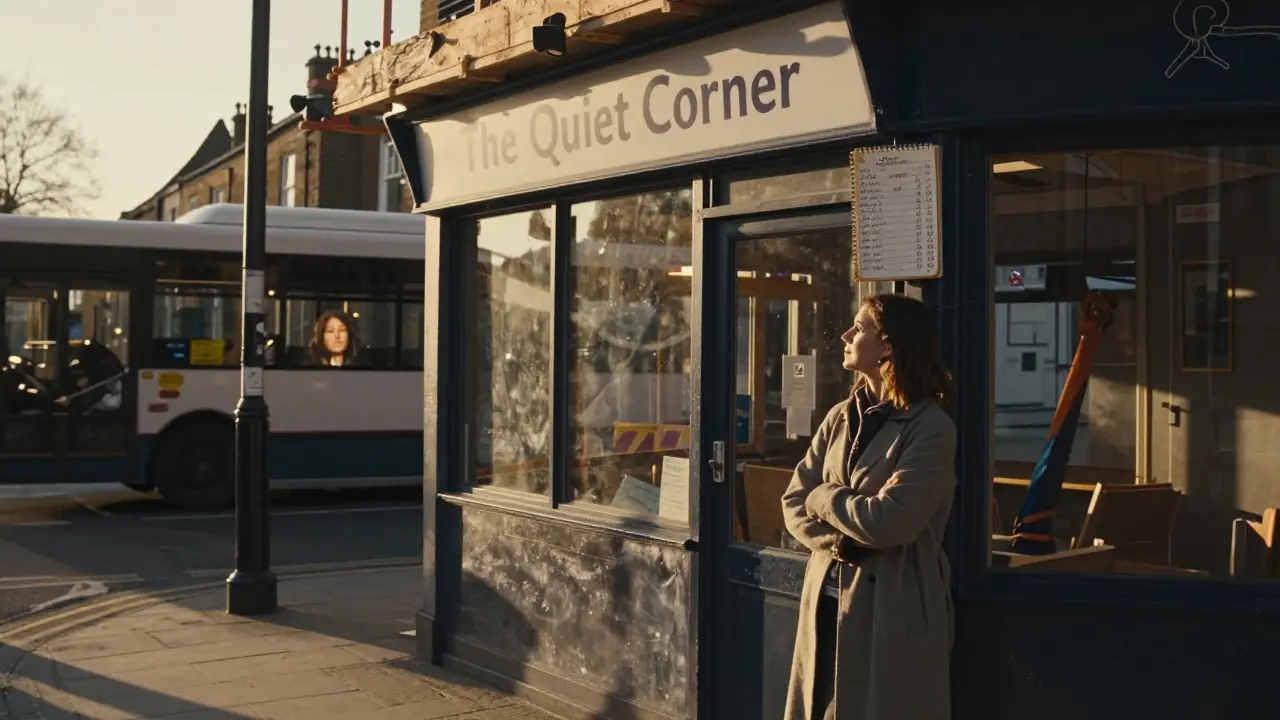
I’m not doing this forever. I’m saving. I’m studying. I’m planning to open a small café in Peckham. Something quiet. Something real. Something that doesn’t come with a price tag or a client list.
But until then? I show up. I listen. I care. I protect myself. I help the others. And I refuse to be ashamed.
This isn’t a story about sex. It’s a story about survival. About dignity. About choosing your own path-even when the world tries to shame you for it.
Is being an escort legal in London?
Yes, selling sexual services is legal in the UK, including London. But related activities-like soliciting in a public place, running a brothel, or pimping-are illegal. Most independent escorts avoid these gray areas by working privately, using websites or apps, and never meeting clients in public spaces. The law doesn’t protect them, but it doesn’t criminalize them either.
How much do London escorts actually earn?
Earnings vary widely. Entry-level escorts might make £100-£150 per hour. Experienced, well-known escorts can charge £300-£600 or more, especially for longer sessions or travel. Some make £5,000-£10,000 a month working part-time. But it’s not steady income. There are slow weeks, cancellations, and unexpected costs like cleaning, insurance, and website fees.
Do escorts have regular clients?
Many do. Regular clients aren’t just about sex-they’re often about routine, trust, and emotional connection. Some clients come weekly. Others come monthly. Some have been seeing the same escort for years. These relationships are usually quiet, respectful, and rarely involve romantic expectations. They’re more like a private, paid friendship.
Are there risks beyond legal trouble?
Absolutely. Physical danger is rare but real. Emotional burnout is common. Social isolation is almost universal. Financial instability is constant-banks freeze accounts, credit scores suffer, and loans are denied. Online harassment, doxxing, and blackmail happen. Many escorts use pseudonyms, encrypted messaging, and burner phones to protect their identity. Safety isn’t optional-it’s survival.
Why don’t more escorts leave the industry?
It’s not that they can’t. It’s that they often don’t have a better option. Many started because they needed money fast-due to debt, medical bills, or family emergencies. Others use it to fund education, housing, or recovery. Without financial safety nets, social support, or job training programs, leaving isn’t just hard-it’s risky. The stigma makes it harder to find other work. Many stay because they’ve built something they control, even if the world doesn’t understand it.