Milan doesn’t sleep when the sun goes down. While most visitors think of fashion shows and Renaissance art, the real pulse of the city kicks in after 10 p.m. This isn’t just another European city with a few trendy bars - Milan’s nightlife is a layered experience, mixing old-world elegance with cutting-edge energy. Whether you want to sip a negroni in a 1920s speakeasy, dance until dawn in a warehouse rave, or sip sparkling wine on a rooftop with the Duomo glowing behind you, Milan delivers. And yes, it’s possible to have a great night out without spending €100 on cover charges.
Where to Start: The Navigli District
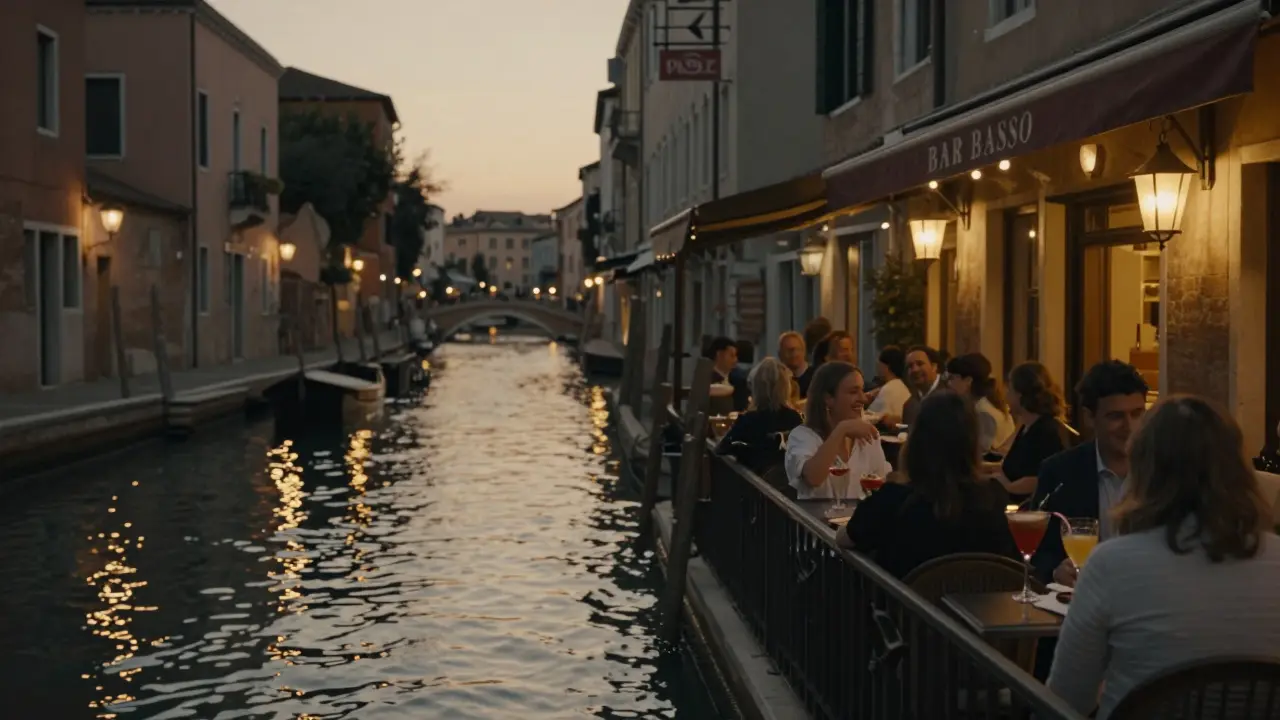
If you’re new to Milan’s nightlife, begin in Navigli. This canal-side neighborhood used to be a working port for transporting goods in the 15th century. Now, it’s the city’s most relaxed nightlife hub. The canals are lined with outdoor terraces where locals gather after work. Around 9 p.m., the crowd shifts from wine drinkers to cocktail lovers. Bar Basso is the birthplace of the Americano - a bitter-sweet mix of Campari, sweet vermouth, and soda. It’s not flashy. It’s not loud. But it’s where Milan’s elite unwind. Order one, sit by the water, and watch the city slow down.
Walk a few blocks east and you’ll find La Bitta, a tiny bar that only serves natural wines by the glass. No menu. Just a chalkboard with five options. The owner, Marco, will ask what you like - fruity? earthy? spicy? - and pour you something perfect. It’s the kind of place you remember because it felt personal, not packaged.
Clubs That Actually Matter: From Underground to Elite
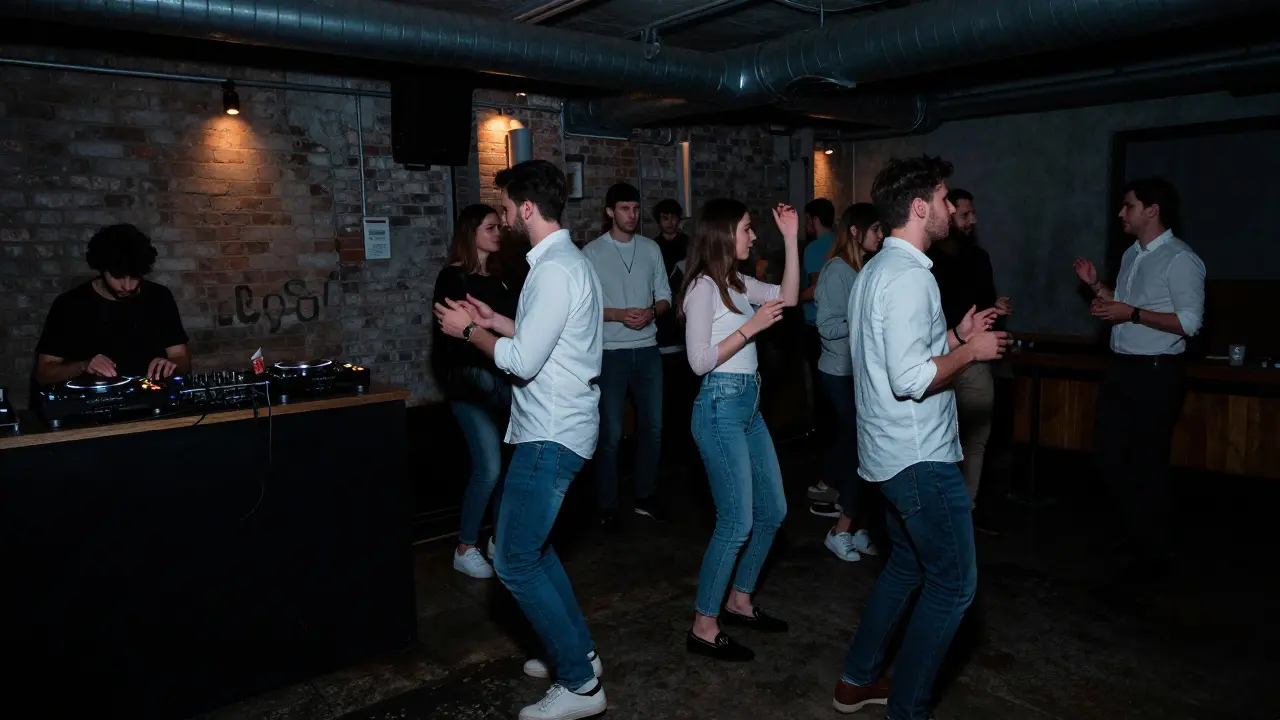
When it comes to clubs, Milan doesn’t do average. The scene splits into two worlds: the hidden gems and the international names. Start with La Scala, not the opera house - the club tucked behind a nondescript door in the Brera district. It’s small, dim, and plays deep house and techno. No VIP section. No dress code beyond "don’t wear flip-flops." The DJ is often a local producer who’s played at Berghain. The crowd? Designers, architects, and musicians who’ve been coming here since 2010. You won’t find Instagram influencers here - just people who love the music.
For something bigger, head to Magazzini Generali in the Porta Genova area. It’s a converted industrial warehouse with three rooms, each playing a different genre. One night it’s disco revival, the next it’s experimental electronic. The sound system is insane - you feel the bass in your chest before you hear it. Doors open at midnight. The line forms at 11:30. No reservations. Just show up.
If you’re looking for glamour, Lebowski is your spot. It’s the only place in Milan where you’ll see models, actors, and Milanese socialites all in the same room. The decor is 1970s Hollywood meets Milanese minimalism. The drinks are expensive - €18 for a gin and tonic - but the vibe is electric. You don’t go here to dance. You go to be seen. And honestly? It’s worth it once.
Rooftops with a View
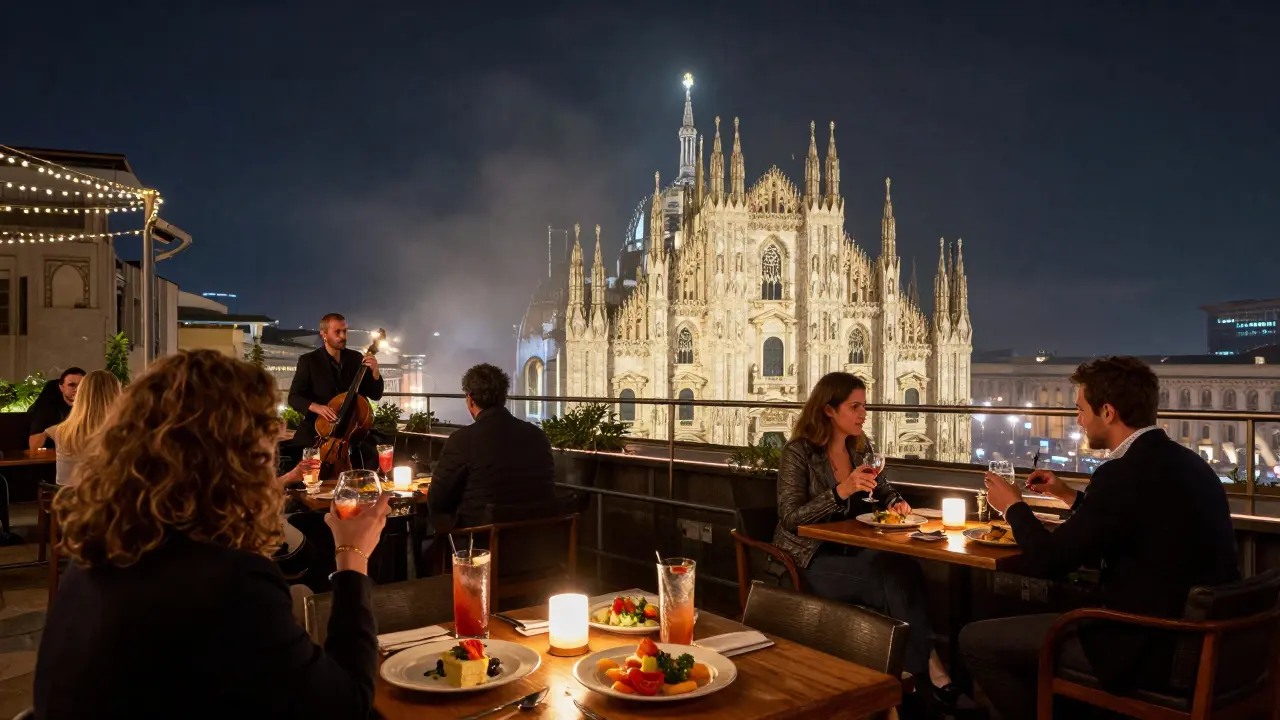
There’s something magical about sipping a cocktail while the Duomo lights up behind you. Terrazza Aperol on top of the Hotel Principe di Savoia offers that view - and a perfectly balanced Aperol Spritz. It’s not cheap, but it’s the most Instagrammed spot in the city for a reason. Arrive before 9 p.m. to snag a seat. After that, it’s standing room only.
For a quieter option, try Skyline Rooftop Bar at the NH Collection Milano. It’s less crowded, has a live jazz trio on weekends, and serves Italian aperitivo plates - think crostini with truffle cream and marinated olives. The price? Around €15 for a drink and two snacks. You leave feeling like you got more than your money’s worth.
The Aperitivo Ritual
Before clubs, before rooftop bars - there’s aperitivo. This isn’t just happy hour. It’s a cultural institution. Between 6 p.m. and 9 p.m., bars in Milan turn into buffet-style lounges. Pay €12-€18 for a drink, and you get access to a spread that rivals a dinner menu. Think: stuffed mushrooms, mini arancini, fresh mozzarella, grilled vegetables, and even risotto balls.
Bar Longo in the Porta Venezia area is legendary for its aperitivo. The buffet changes daily. One night it’s Japanese-inspired sushi rolls. The next, it’s Sicilian caponata and homemade pesto pasta. The crowd? Students, expats, and old-school Milanese who’ve been coming since the 1980s. It’s the best way to taste the city without spending a fortune.
What to Wear (And What Not To)
Milanese people dress like they’re always on a runway - even when they’re not. You don’t need a designer suit to get into a club, but you do need to look intentional. No hoodies. No sneakers with socks. No baseball caps. Even in winter, most men wear slim-fit jeans, a button-down, and loafers. Women go for tailored coats, ankle boots, and minimal jewelry. The rule? If you look like you just rolled out of bed, you won’t get past the door.
That said, there are exceptions. In Navigli, jeans and a nice t-shirt are fine. In underground clubs like La Scala, comfort matters more than style. But if you’re heading to Lebowski or a rooftop bar? Dress like you’re going to a gallery opening. It’s not about being rich - it’s about showing respect for the space.
When to Go and How to Avoid the Crowds
Thursday and Friday nights are the busiest. If you want to avoid the line at Magazzini Generali, go on a Wednesday. The energy is still there, but the crowd is thinner, and the staff has more time to talk to you. Saturday is for tourists and the very wealthy. Sunday nights? That’s when the locals go out. Bars like Bar Luce (inspired by a Wes Anderson film) stay open until 3 a.m. with live jazz and no cover charge. It’s the secret best night of the week.
Also, avoid the tourist traps near the Duomo. Those places charge €25 for a watered-down cocktail and play Top 40 hits on loop. Walk five minutes away, and you’ll find a bar with a real bartender who knows how to make a Negroni right.
Transportation After Dark
Milan’s metro runs until 1:30 a.m. on weekdays and 2:30 a.m. on weekends. After that, you’ll need a taxi or ride-share. Uber works, but local apps like FreeNow are cheaper and more reliable. Always check the app before you leave a club - some areas have surge pricing after 2 a.m.
If you’re staying in the city center, walking is safe and easy. The streets are well-lit, and most neighborhoods have a steady flow of people until 3 a.m. Just avoid the industrial zones near Lambrate after midnight - they’re quiet for a reason.
Final Tip: Don’t Rush It
Milan’s nightlife isn’t about hitting five clubs in one night. It’s about savoring each moment. Start with aperitivo. Move to a quiet bar. Then, if the mood strikes, dance until sunrise. The best nights aren’t the ones with the most photos - they’re the ones where you forgot to check your phone.
Is Milan nightlife safe for solo travelers?
Yes, Milan is one of the safest major European cities for solo travelers at night. The streets in central districts like Brera, Navigli, and Porta Venezia are well-lit and busy until 3 a.m. Avoid isolated areas like Lambrate or Porta Romana after midnight. Stick to well-known bars and clubs. Most locals are friendly and willing to help if you’re lost. Just use common sense - don’t flash cash, keep your bag zipped, and trust your gut.
What’s the best time to visit Milan for nightlife?
April to June and September to October are ideal. The weather is mild, the crowds are smaller, and the city feels alive without being overwhelming. Summer (July-August) is hot and packed with tourists - great for rooftop bars, but terrible for clubs. Winter nights are colder, but the indoor scene is cozy and intimate. December brings festive pop-ups and holiday-themed aperitivo - worth experiencing if you like lights and mulled wine.
Do I need to book tables or get VIP access?
Only for places like Lebowski or rooftop bars on weekends. Most clubs - including Magazzini Generali and La Scala - don’t take reservations. Just show up. For aperitivo spots like Bar Longo, no booking is needed, but arrive before 7:30 p.m. to get a good seat. If you’re going to a popular rooftop on a Friday, call ahead. Some places hold tables for guests who book online.
Can I find English-speaking bartenders?
Absolutely. In tourist-heavy areas like Navigli and the Duomo district, most bartenders speak fluent English. In underground spots like La Scala or La Bitta, you might find staff who speak limited English - but they’ll still make you a perfect drink. Don’t worry. Milanese people are proud of their culture and will go out of their way to make you feel welcome, even if you’re struggling with Italian.
What’s the average cost of a night out in Milan?
You can have a great night out for €30-€50. Aperitivo (€15) + one cocktail (€12) + metro ride (€2) + a late-night snack (€8) = €37. If you hit a club with a cover charge (€10-€15) and a few drinks, you’re looking at €60-€80. Rooftops and Lebowski will push you toward €100+, but you don’t need to spend that much to have an unforgettable night.