When the sun sets in Milan, the city doesn’t just wind down-it rewires itself. By 10 p.m., the quiet streets of Brera transform into a pulsing corridor of laughter, bass, and clinking glasses. This isn’t just another European city with a few bars. Milan’s nightlife is a layered, ever-evolving experiment in style, music, and social energy. Whether you’re here for a single night or a week, knowing where to go can turn an ordinary evening into something unforgettable.
Where the locals go after work
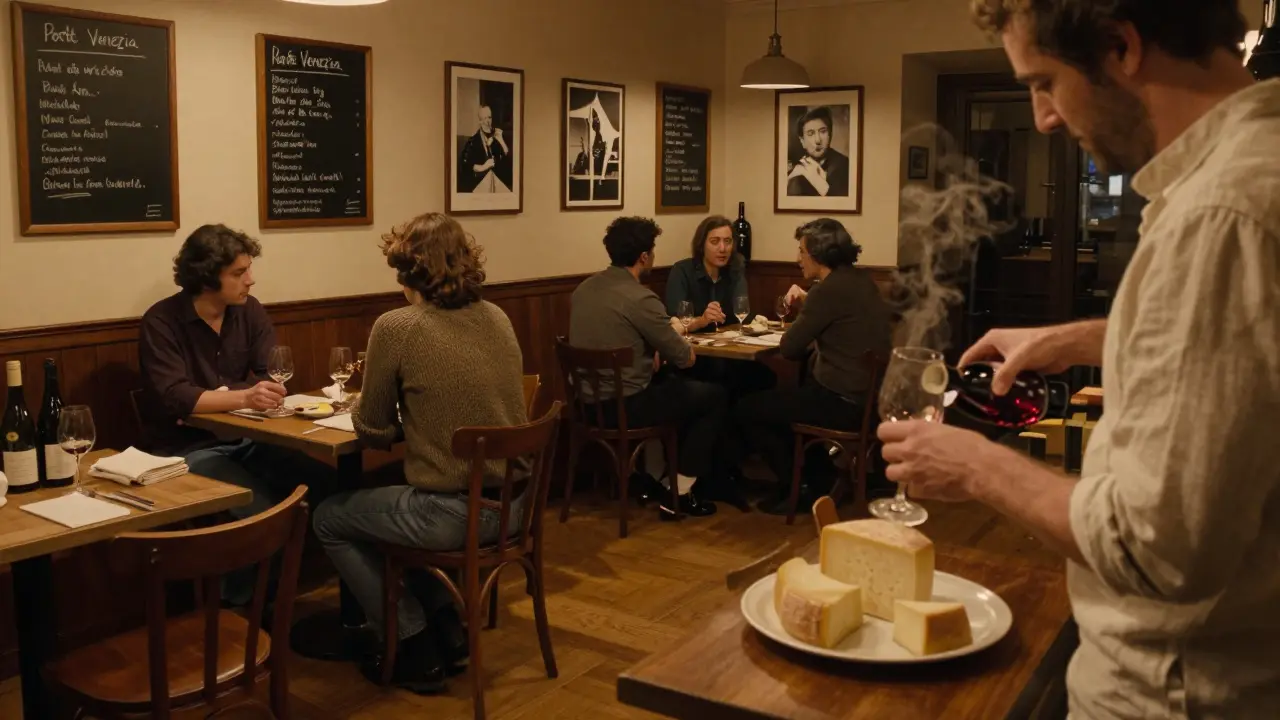
Most tourists head straight to the Navigli district, but the real insiders start earlier-at La Cucina in Porta Venezia. It’s not a club. It’s not even a bar, really. It’s a 1970s-style wine cellar with mismatched chairs, chalkboard menus, and a bartender who remembers your name after one visit. They serve natural wines from small Italian vineyards, and the crowd? Mostly Milanese designers, architects, and indie musicians who’ve just finished work. The vibe is low-lit, slow, and serious about flavor. If you want to understand how Milanese people unwind, this is where you start.
From there, walk 10 minutes to Bar Basso, the birthplace of the Negroni Sbagliato. You won’t find a neon sign or a DJ. Just a tiny counter, a single bartender who’s been there since 1982, and a line of regulars who come for the ritual. The drink? Perfectly balanced. The experience? Priceless. It’s not about drinking-it’s about watching the city change colors around you.
The clubs that define Milan’s sound
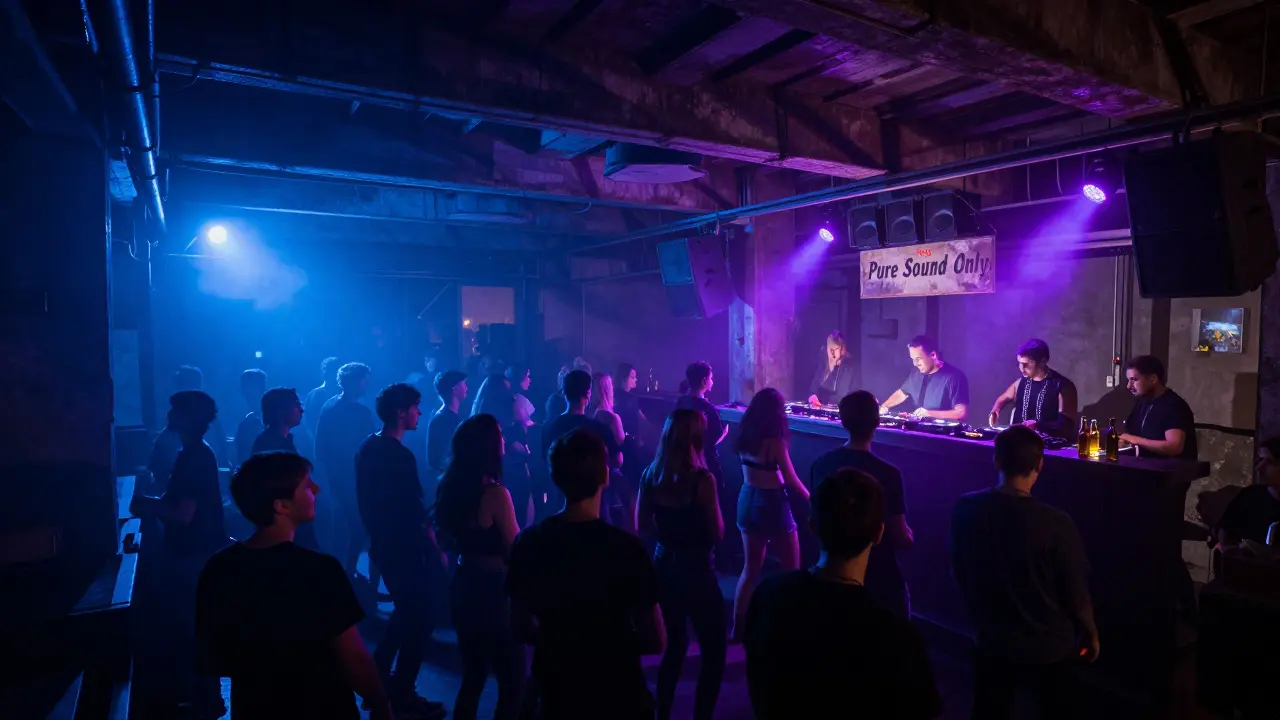
When midnight hits, the real party begins. Bocconi is the heartbeat of Milan’s underground scene. Located in a converted 19th-century factory near the train station, it doesn’t look like much from the outside. But inside? A 1,200-square-meter dance floor with industrial ceilings, fog machines that roll like mist over the Alps, and a sound system that’s been calibrated by Italian techno purists since 1998. No VIP tables. No bottle service. Just music, sweat, and bodies moving in sync. They play everything from raw Detroit techno to obscure Italian house. If you’re here on a Thursday, you’ll catch Deep in the Night, the longest-running underground party in the city.
For those who want glamour with grit, head to Magazzini Generali. It’s not a single club-it’s a complex of five rooms, each with its own vibe. One room is all 90s house. Another is live jazz with a rooftop view of the Duomo. The third? A silent disco where you pick your channel on a headset. It’s open until 6 a.m. every weekend. The dress code? No jeans. No sneakers. You don’t need to be rich-you just need to care about how you look. Milan doesn’t reward effort. It rewards intention.
Where the drinks are as bold as the people
Don’t mistake Milan’s cocktail scene for a tourist trap. Il Gatto Nero in the Brera district is the only bar in the city with a cocktail menu that changes weekly based on seasonal Italian ingredients. One week it’s bergamot and wild thyme. The next, it’s smoked fig and honeycomb from Sicily. The bartenders don’t just mix drinks-they tell stories. Ask for the La Notte di Milano, and they’ll pour you a glass of gin infused with violet liqueur, topped with edible silver leaf. It costs €18. It’s worth every euro.
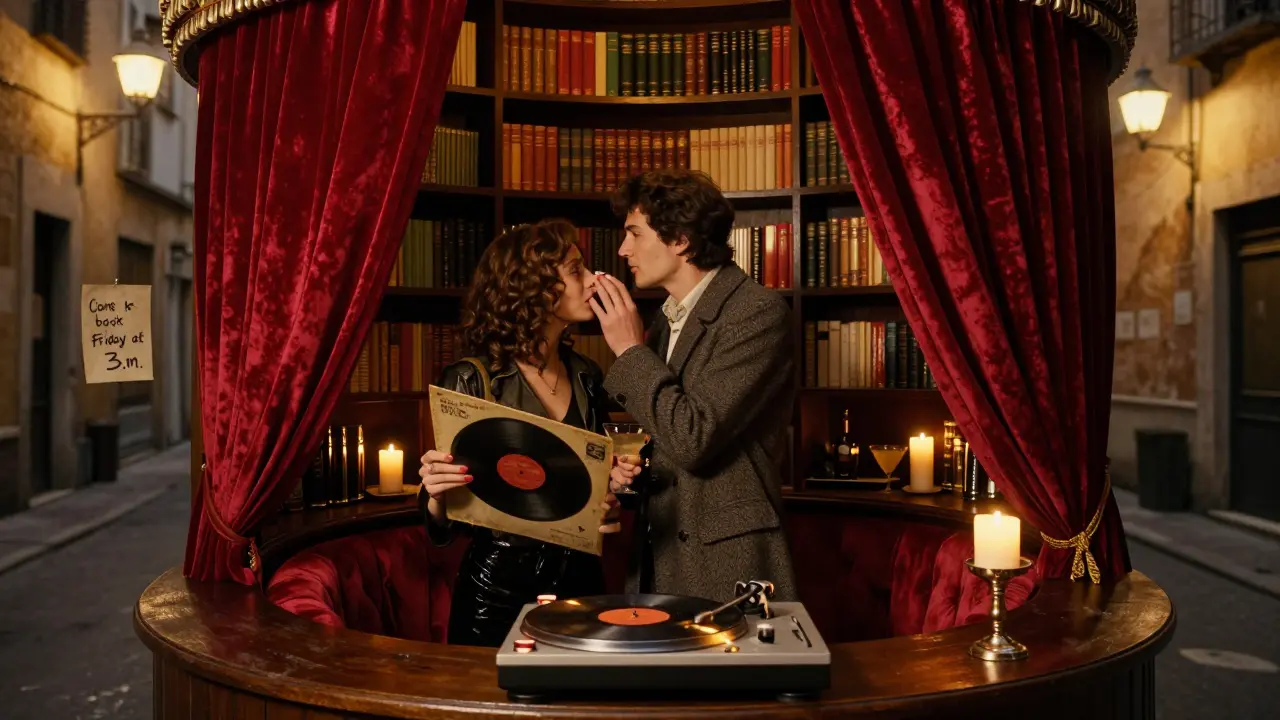
For something wilder, try Bar Basso’s little-known cousin: Bar Rosso in the Zona Tortona. It’s hidden behind a fake bookshelf in a design studio. You need a password. You get it by texting a number found on a single Instagram post posted every Friday at 3 p.m. Inside, it’s all red velvet, low chairs, and DJs spinning rare vinyl from the 1980s Milanese post-punk scene. The drinks? Strong. The vibe? Secretive. The rule? No photos. Ever.
When the party shifts-midnight to dawn
Most visitors think the nightlife ends at 2 a.m. But in Milan, the real magic happens after the clubs close. Il Baretto opens at 3 a.m. every Saturday. It’s a tiny, 12-seat counter in a back alley near Piazza Oberdan. No menu. No sign. Just a guy named Luca who’s been serving espresso martinis and warm panzerotti since 2007. He doesn’t speak English. He doesn’t need to. You order with your eyes. He knows what you want. It’s not about the drink. It’s about the silence after the music stops.
Or, if you’re still buzzing, head to La Cucina del Sole in the Navigli area. It’s a 24-hour trattoria that turns into a late-night hangout after clubs shut down. Locals come here for pasta carbonara, cheap prosecco, and the chance to talk about everything they didn’t say at the club. You’ll find artists, DJs, and even a few ex-models who’ve traded runways for kitchen counters. It’s the only place in Milan where the party never really ends-it just changes shape.
What to wear (and what not to)
Milan doesn’t have a strict dress code. But it has a silent one. You won’t be turned away for wearing jeans at Bocconi. But you’ll stand out. And in Milan, standing out isn’t always good. At Magazzini Generali, you’ll see men in tailored wool coats and women in silk dresses. It’s not about being rich-it’s about being intentional. If you’re going out, skip the sneakers. Swap them for loafers or ankle boots. Skip the baseball cap. Wear a scarf, even in summer. Milanese style is quiet, confident, and never loud.
And please-no fanny packs. No tourist hats. No selfie sticks. You’re not here to document the night. You’re here to live it.
When to go-and when to skip
The best nights? Friday and Saturday. Always. But avoid the first weekend of the month. That’s when the fashion crowd comes in for the trade shows. The clubs get crowded with people who don’t know how to dance. The drinks double in price. The energy turns transactional.
Instead, aim for the third or fourth weekend. That’s when the real locals return. That’s when the DJs bring out their secret tracks. That’s when you’ll hear a song you’ve never heard before-and realize, suddenly, that you’re part of something bigger than a party.
How to get around
Milan’s metro runs until 1:30 a.m. on weekends. After that? Use Free Now (the local ride-share app) or walk. The city is safe, well-lit, and walkable. The Navigli district is 15 minutes from the Duomo. Bocconi is a 10-minute ride from Porta Venezia. You don’t need a car. You don’t need a guide. Just follow the music.
Final tip: Don’t chase the scene. Let it find you.
Milan’s nightlife isn’t about checking off clubs. It’s about finding the moment when the music, the air, and the people all align. That moment might happen at a wine bar at 9 p.m. Or in a silent disco at 2 a.m. Or in a tiny kitchen at 4 a.m. with a stranger who just told you about their first concert in 1994.
You won’t find it by scrolling Instagram. You won’t find it by following a list. You’ll find it when you stop looking for the perfect night-and start living the one you’re in.
What’s the best time to start a night out in Milan?
Start between 9 and 10 p.m. at a wine bar or aperitivo spot like La Cucina or Bar Basso. This lets you ease into the night with locals before the clubs fill up. The real party doesn’t begin until after midnight.
Are there any clubs in Milan that don’t require a cover charge?
Yes. Bocconi has no cover charge on Thursdays and Sundays. Magazzini Generali doesn’t charge before midnight. Many smaller venues like Bar Rosso don’t charge at all-but you’ll need to know the password or be invited. The best way to find these spots? Talk to bartenders. They know everything.
Is Milan nightlife safe for solo travelers?
Extremely. Milan is one of the safest major European cities at night. The metro runs late, streets are well-lit, and police presence is visible near popular areas. Still, avoid overly crowded clubs if you’re alone-stick to places with a reputation for being welcoming, like La Cucina del Sole or Il Baretto.
Can I visit Milan’s nightlife without speaking Italian?
Absolutely. Most bartenders and club staff speak English. But learning two phrases-"Un bicchiere di vino, per favore" (A glass of wine, please) and "Dove si balla?" (Where do we dance?)-will open doors you didn’t even know existed. Milanese people appreciate effort more than perfection.
What’s the one thing most tourists miss in Milan’s nightlife?
The aperitivo. It’s not just a drink. It’s a ritual. Between 6 and 9 p.m., bars offer free snacks with your drink-think mini sandwiches, olives, and cheese. Locals treat it like dinner. Tourists treat it like a happy hour. The difference? The locals stay for hours. The tourists leave after one drink. Don’t be one of them.