When you think of Milan, you picture fashion runways, luxury boutiques, and centuries-old cathedrals. But beneath the polished surface lies a quieter, older story - one about companionship, survival, and the underground economy that shaped how people connected in this city. The history of escorting in Milan isn’t just about modern ads or online profiles. It’s rooted in centuries of social shifts, economic pressures, and unspoken needs that never disappeared - only changed form.
Medieval Beginnings: Courtesans and the Power of Influence
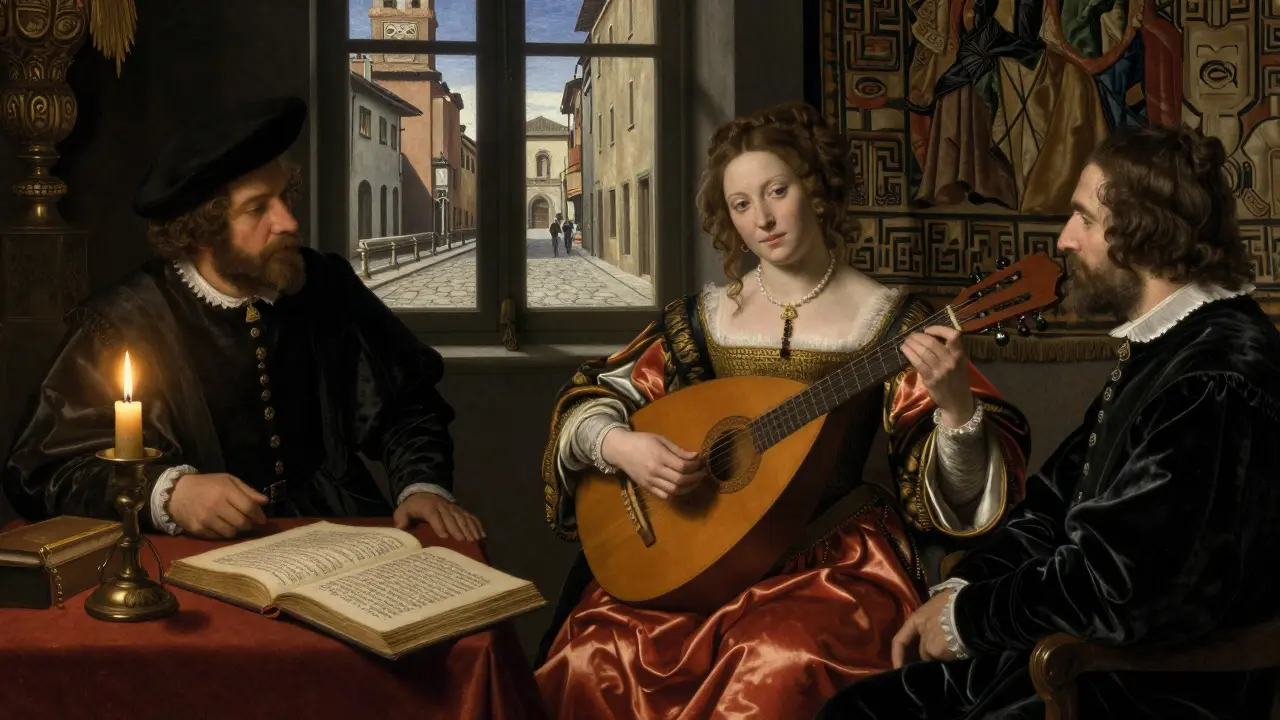
In the 14th and 15th centuries, Milan was a wealthy city-state ruled by powerful families like the Visconti and later the Sforza. Unlike in some parts of Europe where prostitution was outright banned, Milan allowed a class of women known as courtesans to operate openly - if they met certain rules. These weren’t street workers. They were educated, often multilingual, trained in music, poetry, and politics. Some even advised nobles and diplomats.
One of the most famous was Veronica Franco, though she operated in Venice, her influence spread north. Milanese courtesans wore fine silk, lived in private homes, and charged high fees. They were protected by local laws that required them to register with city officials and pay taxes. In return, they were shielded from arrest for prostitution - a rare privilege. Their role was social, not just sexual. They hosted salons, acted as intermediaries in business deals, and sometimes even helped negotiate peace treaties between rival families.
The 1800s: From Elite Companions to Hidden Networks
By the early 1800s, Napoleon’s occupation changed Milan’s social fabric. The old aristocracy lost power, and a new middle class emerged - merchants, engineers, military officers. Demand for discreet companionship grew. Courtesans faded, replaced by women who worked in private apartments or through trusted networks. Many were widows, former servants, or women who had no other way to support themselves after losing husbands or family protection.
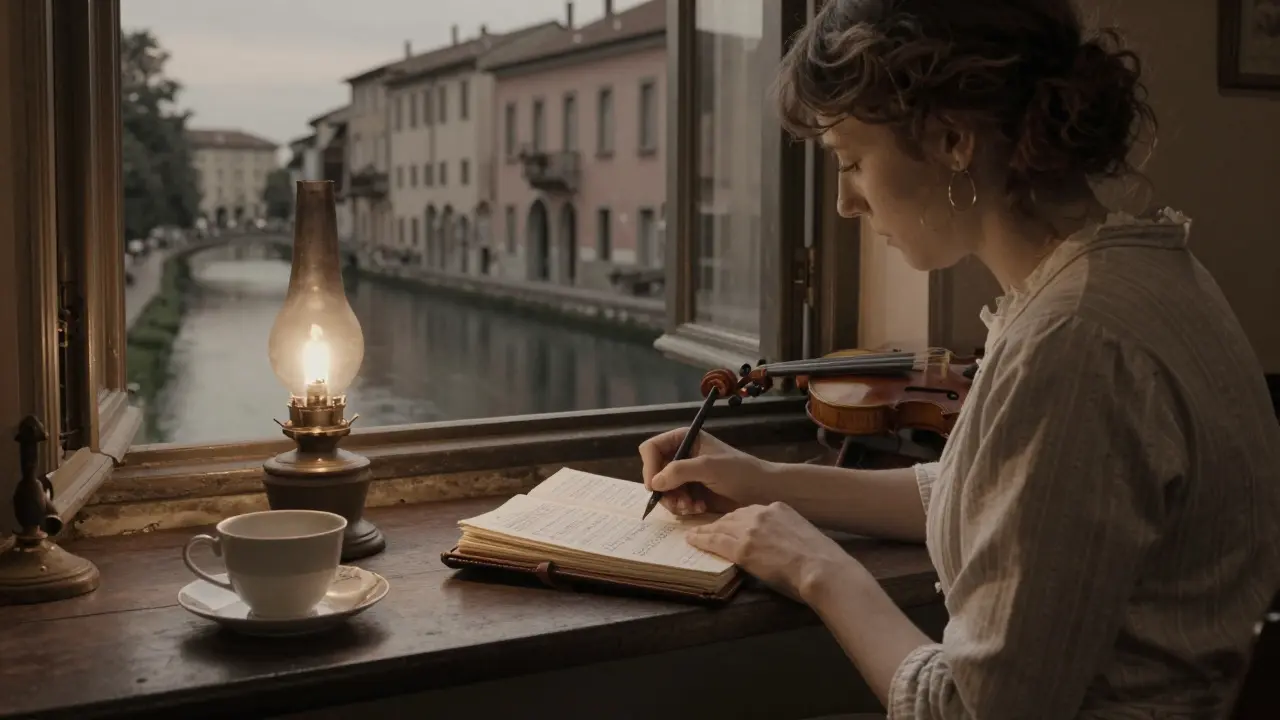
Madams ran these operations from quiet apartments near Piazza Duomo or along the Navigli canals. Clients came through word-of-mouth. A recommendation from a trusted friend was the only way in. These women kept detailed ledgers - names, dates, payments - often written in code. Some used musical notes as payment markers. Others used dates of famous opera performances. If you knew that “La Traviata, March 12, 1857” meant 5 lire, you were in.
Police rarely intervened unless complaints came from families. The city preferred silence. As long as money changed hands without public scandal, the system kept running.
Post-War Milan: The Rise of the “Compagna”
After World War II, Milan became Italy’s industrial engine. Factories pulled workers from the south. Men arrived alone, far from home. Many had no family, no partners, no one to talk to after long shifts. The city didn’t have enough housing. It didn’t have enough social services. But it did have women - often from rural areas - who saw an opportunity.
The term compagna (companion) replaced older labels. These women didn’t advertise. They worked through cafés, hair salons, or even church groups. A woman might meet a client over coffee at Caffè Cova, then quietly arrange a meeting later that evening. Payments were cash, never digital. Contracts were verbal: “One night, two hundred, no questions.”
By the 1970s, Milan’s escort scene had become so widespread that the city’s police began tracking patterns. They noticed certain neighborhoods - Brera, Porta Venezia, and parts of Corso Buenos Aires - had unusually high numbers of single women renting apartments. Landlords knew what was happening. Some even offered discounts to women who paid rent on time and didn’t cause trouble.
The 1990s to 2000s: Technology and the Shift Online
The internet didn’t create escorting in Milan - it just made it visible. Before 2000, most clients found companions through phone books with coded listings: “Ladies’ Services - Private Residence” or “Evening Companionship - Discreet.” Some ads appeared in niche magazines like Men’s World or Milano Notte.
By 2005, websites like EscortMilano.it and ItalianCompanions.net started appearing. These weren’t flashy. They had plain layouts, no photos, just names, ages, languages spoken, and availability. Clients called a landline. No texts. No apps. No profiles.
What changed? Trust. Women began forming collectives. They shared safety tips. They checked client backgrounds. One woman, known only as “Luisa,” kept a handwritten log of every man who came to her apartment. She wrote down license plates, car models, even the scent of cologne. When a man returned, she knew. If he’d been violent before? She didn’t see him again. Her network grew quietly. By 2010, over 200 women in Milan were part of her informal alliance.

Today: The Quiet Industry
Now, in 2026, escorting in Milan is quieter than ever - not because it’s gone, but because it’s smarter. Most women work independently. They use encrypted messaging apps. They meet in hotels, not apartments. They don’t use their real names. Many have full-time jobs - teachers, translators, designers - and only work evenings.
There are no red-light districts. No streetwalkers. No visible brothels. The city doesn’t ban it because it can’t prove it’s happening. The law only criminalizes public solicitation and human trafficking. Independent, consenting adults? They’re invisible.
What’s surprising? Many clients aren’t wealthy businessmen. They’re nurses, mechanics, single fathers. One woman, who’s been working for 12 years, told a journalist in 2023: “I’ve met a man who cried because his daughter got into college. I’ve met a man who just wanted someone to listen while he talked about his dead wife. I’ve met men who paid me in pasta because they had no money. I’ve never turned anyone away.”
Why This History Matters
The story of escorting in Milan isn’t about sex. It’s about loneliness. It’s about survival. It’s about a city that grew too fast, too loud, too expensive - and the quiet ways people found to stay connected.
Today’s escorts don’t need to hide in alleys. They don’t need to beg for clients. They don’t need to risk arrest. But they still carry the same burden: the stigma. The silence. The fear of being judged.
When you walk past a café in Brera and see a woman sipping espresso alone, you have no idea if she’s a writer, a student, or someone who just finished work. And that’s the point. In Milan, the history of escorting taught everyone one thing: discretion isn’t shameful. It’s necessary.
Is escorting legal in Milan today?
In Italy, prostitution itself is not illegal - but soliciting in public, running brothels, or organizing prostitution is. In Milan, independent escorts who work privately, without third parties, and without advertising publicly operate in a legal gray zone. As long as they don’t solicit on the street, use public platforms, or involve coercion, they are not prosecuted. The city focuses enforcement on trafficking and exploitation, not consensual adult services.
How do escorts in Milan find clients today?
Most use encrypted messaging apps like Signal or Telegram. Some have private websites with no photos, only text profiles. Others rely on word-of-mouth through trusted networks - a friend, a coworker, or a regular client who refers someone new. Social media is avoided. No Instagram, no Facebook. The emphasis is on privacy, not visibility.
Are there male escorts in Milan?
Yes, but they’re far less visible. Male escorts in Milan mostly serve women, especially expats, businesswomen, or older clients who prefer discretion. They often work through private agencies or high-end concierge services. Their rates are typically higher, and they rarely advertise. Most are found through referrals or exclusive networks.
What’s the average rate for an escort in Milan today?
Rates vary widely. A standard hour-long meeting costs between €150 and €300. Longer sessions, overnight stays, or services with travel can go up to €800. Rates depend on experience, language skills, appearance, and location. Those who speak multiple languages or work in luxury hotels charge more. Some women who work with international clients report earning over €1,000 per night during business events like Milan Fashion Week.
Why doesn’t the police shut down these services?
Because there’s nothing to shut down. There are no brothels, no street solicitation, no visible operations. Most escorts work alone, from rented apartments or hotels, and leave no trace. Police lack evidence. Even if they suspected something, they’d need proof of coercion or public disturbance - neither of which exist in this quiet system. The city’s priority is human trafficking, not personal, consensual arrangements.