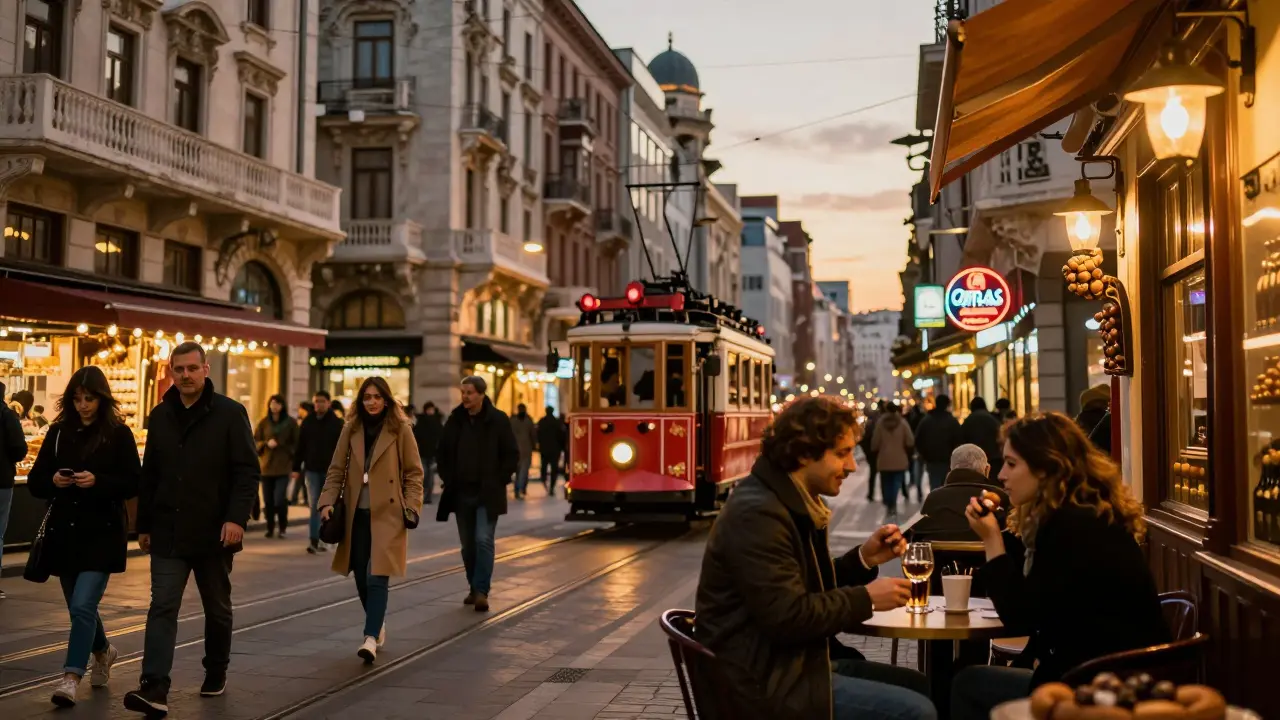
When the sun sets over the Bosphorus, Istanbul doesn’t sleep-it transforms. The city’s nightlife isn’t just about drinking or dancing. It’s a layered experience shaped by centuries of trade, migration, and cultural fusion. You can sip raki on a rooftop with views of the minarets, dance to Turkish pop in a basement club where the bass echoes off Ottoman walls, or stumble into a hidden jazz bar where the musicians play like they’ve been doing it since the 1920s. This isn’t partying for the sake of it. It’s part of how Istanbul breathes.
Where the Night Begins: Beyoğlu and İstiklal Avenue
Start your night in Beyoğlu, the beating heart of Istanbul’s after-hours scene. İstiklal Avenue, a pedestrian street lined with historic trams and Art Nouveau buildings, hums with energy from dusk till dawn. It’s not just a street-it’s a corridor of possibility. One moment you’re browsing a vintage record shop, the next you’re ducking into a tiny wine bar where the owner pours you a glass of natural wine from the Black Sea region. The air smells like roasted chestnuts, cigarette smoke, and freshly baked simit.
By 10 PM, the crowd shifts. Locals in stylish coats replace tourists snapping selfies. You’ll hear snippets of conversation in Turkish, Russian, Arabic, and English. This is where you find Istanbul nightlife at its most authentic-not staged for visitors, but lived in by people who call this city home.
Bars That Feel Like Secrets
Forget chain pubs. Istanbul’s best bars are tucked away. Look for unmarked doors, flickering neon signs, or staircases that lead down into basements. One of the most talked-about spots is Bar 61 in Cihangir. It’s small, dimly lit, and doesn’t take reservations. The cocktail menu changes weekly based on what’s fresh at the local market. Try the Yeniköy Sour-gin, fig syrup, and a splash of Turkish rosewater. It tastes like autumn in a glass.
Then there’s Yeni Bahar, a retro-style bar in Karaköy that looks like it hasn’t changed since 1978. The walls are covered in old movie posters, the music is a mix of 80s Turkish pop and French chanson, and the bartender remembers your name after one drink. No one here is trying to impress you. They’re just having a good time.
Clubs That Play More Than Bass
If you’re looking for a club where the music matters as much as the drinks, head to Karga in Kadıköy. This isn’t a tourist trap. It’s a venue where local DJs spin everything from Anatolian folk remixes to deep house with a duduk in the mix. The crowd is young, diverse, and deeply into the sound. On weekends, people line up before midnight-not because they’re desperate to get in, but because they know the vibe is worth waiting for.
For something wilder, try Leb-i Derya in Beşiktaş. It’s a rooftop club with a view of the Bosphorus Bridge, but the real draw is the live performances. You might catch a belly dancer one night and a punk band the next. The music here doesn’t follow trends-it follows instinct. And that’s what makes it unforgettable.

The Raki Ritual: More Than a Drink
No night in Istanbul is complete without raki. It’s not just an alcoholic drink-it’s a ritual. Served with ice and water, it turns milky white as it dilutes. You sip it slowly, paired with meze: grilled octopus, stuffed grape leaves, spicy eggplant, and fresh cheese. The conversation flows as easily as the drink. It’s common for strangers to join your table. Someone will ask where you’re from. You’ll answer. Then they’ll tell you about their grandmother’s recipe for pickled turnips. Before you know it, it’s 2 AM, and you’ve made three new friends.
Head to Çiya Sofrası in Kadıköy for the best meze and raki combo in the city. The place doesn’t look like much from the outside-a simple restaurant with plastic chairs-but inside, it’s a culinary temple. The owner, a retired schoolteacher, insists you try the çiğ köfte (spiced raw meatballs) and the haydari (yogurt dip with garlic and dill). He’ll pour your raki himself and say, "İç, eğlen, unut." Drink. Enjoy. Forget.
Quiet Nights and Hidden Corners
Not every night needs to be loud. Istanbul has a quiet side too. In the quieter neighborhoods like Balat or Fener, you’ll find small cafés that stay open late, serving Turkish coffee and homemade baklava. The lights are low. The music is jazz or classical oud. Locals read books or play backgammon. It’s the kind of place where time slows down.
At Asitane in Edirnekapı, a historic restaurant that serves Ottoman-era recipes, you can sit by the window and watch the moonlight reflect off the Golden Horn. The staff won’t rush you. They’ll bring you a cup of ayran (yogurt drink) even if you didn’t ask. This is Istanbul’s nightlife for people who want to listen, not just be heard.
What to Know Before You Go
Istanbul’s nightlife is welcoming, but it’s not without rules. Dress code matters. Even in the most casual clubs, no flip-flops or tank tops. Locals dress with care-even at 2 AM. Public intoxication is frowned upon. You can drink, but don’t stumble down the street yelling. The police won’t arrest you, but they’ll give you a look that says, "We’ve seen this before."
Transportation after midnight is easy. The metro runs until 1 AM on weekdays and 2 AM on weekends. Taxis are cheap and plentiful. Use BiTaksi, the local app, instead of hailing one on the street. It’s safer and cheaper.
And don’t forget this: Istanbul is a Muslim-majority city. While nightlife is vibrant and open, it’s not like Berlin or New York. There’s no 24-hour strip club scene. The energy here is more intimate, more thoughtful. That’s what makes it special.
Where the Night Ends
By 5 AM, the city is winding down. The last stragglers are leaving the clubs. The street vendors are packing up their grilled corn and simit. The fishmongers in Kadıköy are opening their stalls, ready to sell the day’s catch. Somewhere, a muezzin is calling the morning prayer.
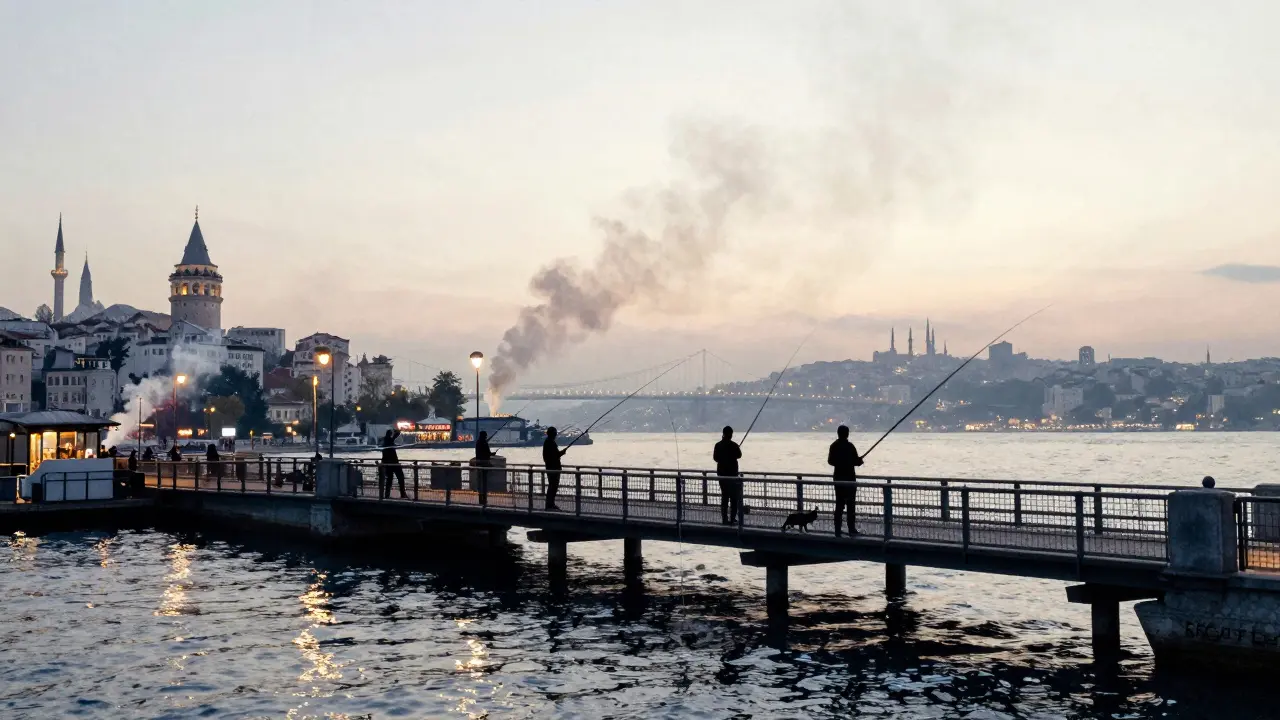
If you’re still awake, walk to the Galata Bridge. Sit on the edge. Watch the fishermen below. The water glows under the streetlights. A cat walks past you, unbothered. The breeze carries the scent of salt and smoke.
This is Istanbul’s nightlife-not just the music, the drinks, the dancing. It’s the quiet moments between the noise. The connections made over raki. The surprise of finding a jazz band in a basement. The way strangers become friends before the night ends.
It’s not a party. It’s a story-and you’re part of it now.
Is Istanbul nightlife safe for tourists?
Yes, Istanbul’s nightlife is generally safe for tourists. The city has a strong police presence in popular areas like Beyoğlu and Kadıköy. Avoid overly crowded alleys late at night, don’t flash valuables, and stick to well-lit streets. Most locals are friendly and will help if you’re lost. The biggest risk is overindulgence-drink responsibly, and you’ll be fine.
What’s the best night to go out in Istanbul?
Friday and Saturday nights are the busiest, especially in Beyoğlu and Kadıköy. But if you want a more local vibe, try Thursday. The crowds are thinner, the music is better, and the bars are more relaxed. Many clubs host special events on weekends, so check Instagram or local event pages like Time Out Istanbul for lineups.
Do I need to speak Turkish to enjoy Istanbul nightlife?
No, you don’t need to speak Turkish. Most bartenders and club staff in tourist areas speak basic English. But learning a few phrases-like "Teşekkür ederim" (thank you) or "Bir raki lütfen" (a raki, please)-goes a long way. Locals appreciate the effort, and it often leads to better service or even an invitation to join a table.
Are there age restrictions for clubs in Istanbul?
Yes, most clubs require ID and only admit guests 18 and older. Some upscale venues, especially rooftop bars, may enforce a 21+ policy. Always carry your passport or a copy of your ID. Bouncers are strict, and being turned away for lack of ID is common if you look young.
What’s the typical cost for a night out in Istanbul?
A night out can be as cheap or as expensive as you want. A beer at a local bar costs around 40-60 Turkish lira ($1.20-$1.80). Cocktails are 120-200 lira ($3.50-$6). Club entry is often free before midnight, then 100-250 lira ($3-$7.50). Dinner and drinks at a mid-range spot like Çiya Sofrası will run you about 500-800 lira ($15-$25). It’s affordable compared to most European capitals.