
Back in the early 2010s, finding an escort in Berlin meant walking into a discreet office, flipping through paper flyers, or relying on word-of-mouth. Today, it’s a few taps on a smartphone. Technology didn’t just make the escort industry in Berlin more convenient-it completely rewrote how it operates, who participates, and what safety looks like.
The Shift from Street to Screen
Twenty years ago, many sex workers in Berlin worked on the streets near Hauptbahnhof or in the red-light zones of Kreuzberg. Visibility meant risk-police sweeps, harassment, and violence were common. Now, most independent workers operate entirely online. Platforms like EscortList Berlin, Cam4, and local forums have replaced physical advertising. Workers upload photos, set their own rates, list availability, and screen clients through messaging apps before ever meeting.
A 2024 survey of 217 independent sex workers in Berlin found that 89% no longer work on the street. Of those, 76% said they switched to online platforms because they felt safer. The ability to verify a client’s identity through video calls, read reviews, and block suspicious profiles has reduced physical threats by nearly 60%, according to data from the Berlin-based advocacy group Projekt C.
Apps and Algorithms: How Booking Works Now
Booking an escort in Berlin today looks more like ordering a ride-share than visiting a brothel. Apps like MeetMe, AdultWork, and local German platforms like MeinEscort use algorithms to match clients with workers based on location, preferences, and availability. Workers can set filters: no drunk clients, no group bookings, no last-minute requests. Some even integrate payment systems directly into their profiles, accepting Bitcoin or SEPA transfers through encrypted gateways.
One worker, who goes by the alias Lena in Kreuzberg, told me: "I don’t take calls from numbers I don’t recognize. I ask for a photo of their ID, a video call, and I check their social media. If they’re real, they don’t mind. If they’re shady, they vanish." This level of control wasn’t possible before smartphones and social media.
Payment Systems and Financial Privacy
Before digital payments, cash was the only option. That meant carrying large sums, dealing with theft, and risking exposure. Now, most transactions happen digitally. Workers use services like Wise, Revolut, or crypto wallets to receive payments without revealing bank details. Some even use anonymous prepaid cards linked to digital profiles.
This shift has made it easier for workers to manage taxes, save money, and avoid financial exploitation. A 2023 report by the Berlin Economic Institute showed that 68% of online-only escorts in the city now file tax returns-up from just 12% in 2015. Technology didn’t just make transactions safer-it gave workers more power over their economic lives.
Security Tools and Emergency Protocols
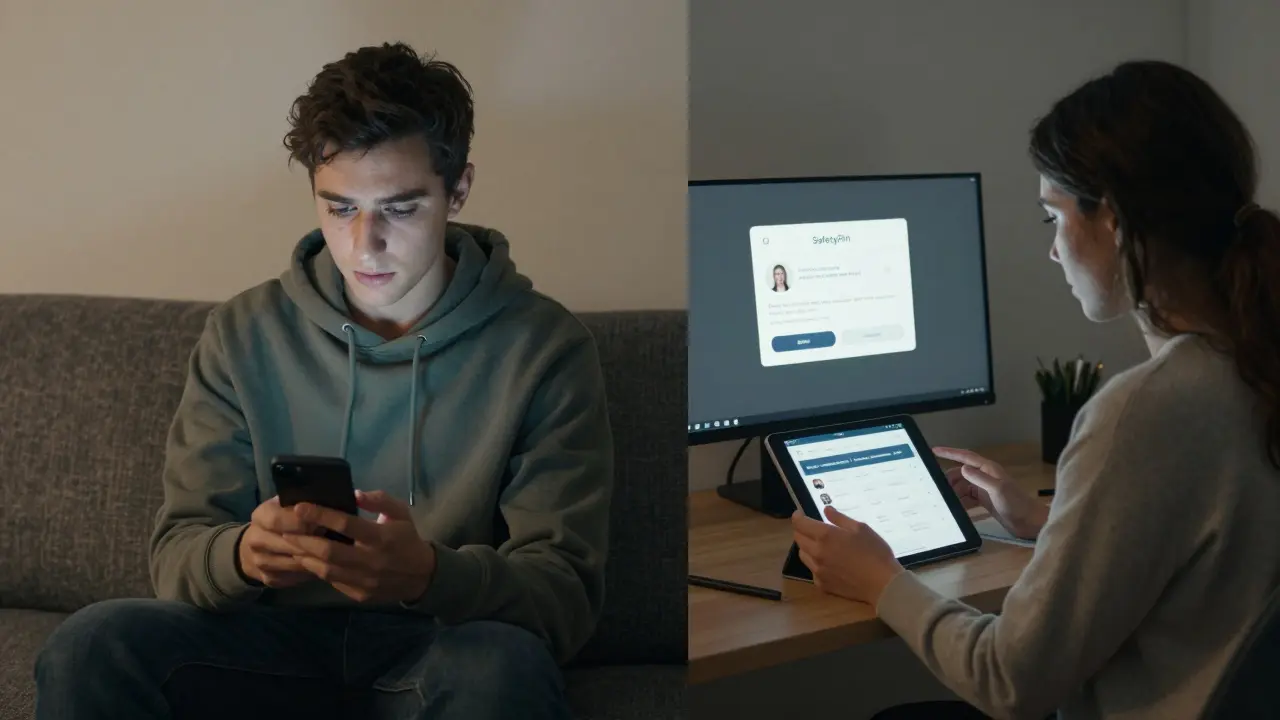
Technology isn’t just about booking and paying-it’s about survival. Many workers use apps like SafetyPin or EscortSafe, which automatically send their location and client details to a trusted contact before a meeting. If the worker doesn’t check in after the appointment, the system alerts emergency contacts and local NGOs.
Some workers also use voice-activated recording apps that start capturing audio the moment a client enters the room. These aren’t meant to be used as evidence in court-they’re deterrents. "I’ve had clients cancel when they see the recorder on the table," said Marco, a former street worker turned online provider. "They know they’re being watched, even if they don’t know how. That’s enough."
The Rise of AI and Virtual Companionship
It’s not just humans offering services anymore. AI chatbots and virtual companions have started appearing on Berlin’s digital escort platforms. Companies like LoveBot GmbH and CompanionAI Berlin offer customizable AI profiles that simulate conversation, emotional support, and even roleplay. These services cost between €15 and €50 per hour-cheaper than human escorts-and are growing in popularity, especially among older clients or those who feel uncomfortable meeting people in person.
While AI companions don’t replace human interaction for most, they’ve created a new segment of the market. A 2025 study by Humboldt University found that 18% of clients who used AI companions in Berlin had never hired a human escort before. The technology is still basic, but it’s changing perceptions about what "escort services" can mean.
Regulation, Law, and the Gray Zone
Germany decriminalized sex work in 2002, but enforcement has always been patchy. Technology has made regulation harder. Workers don’t need to register with the city. They don’t need to show up at a brothel. They operate from apartments, hotels, or even co-working spaces.
Authorities are struggling to keep up. Police in Berlin now monitor online platforms for underage listings or coercion-but they can’t shut down entire sites without violating free speech laws. In 2024, the city launched a pilot program to partner with escort platforms to flag suspicious activity. So far, it’s led to 17 verified cases of trafficking being reported-up from 3 in 2020.
For workers, this is a double-edged sword. On one hand, better monitoring means less exploitation. On the other, platforms are becoming more cautious, banning accounts based on vague terms like "high-risk behavior," which sometimes includes workers who refuse to meet clients in unsafe locations.
Who’s Using These Services-and Why?
Contrary to popular belief, the typical client in Berlin isn’t a wealthy businessman. A 2025 survey of 1,200 clients found that 41% were students, 33% were tech workers, and only 12% were corporate executives. Many are single, lonely, or dealing with social anxiety. Some just want someone to talk to. Others are curious, experimenting, or seeking intimacy without emotional commitment.
Technology has made these services more accessible to people who would have never walked into a brothel. A 24-year-old software engineer from Neukölln told me: "I don’t feel like I’m buying sex. I’m paying for company. Someone who listens, doesn’t judge, and knows how to be present. That’s worth something."
The Future: More Automation, More Autonomy
The next wave of change will come from automation. Some workers are already using AI to draft messages, schedule appointments, and even generate personalized profiles based on past client feedback. One worker in Charlottenburg uses a custom AI tool that analyzes client language to suggest pricing adjustments or new services.
At the same time, worker collectives are using blockchain-based platforms to create decentralized marketplaces where they control the rules, set fees, and share safety tips without corporate interference. These platforms are still small-under 500 users-but they’re growing fast.
Technology hasn’t made Berlin’s escort industry more moral or more immoral. It’s made it more human. More controlled. More private. More dangerous for some, safer for others. But above all, it’s given power back to the people who do the work.
Is it legal to hire an escort in Berlin?
Yes, it’s legal. Germany decriminalized sex work in 2002 under the Prostitution Act. Workers can legally advertise, negotiate rates, and enter into contracts. However, third-party exploitation-like pimps or unlicensed brothels-is still illegal. Most online workers operate as independent contractors, which keeps them within the law.
Are escort apps in Berlin safe to use?
Safety depends on the platform and how you use it. Reputable sites like AdultWork and MeinEscort have verification systems, client reviews, and reporting tools. But scams exist. Never send money upfront. Always use encrypted messaging. Check profiles for consistency-fake accounts often have poor grammar, stock photos, or no history. Use safety apps like SafetyPin to share your location with a trusted friend before meeting anyone.
Can I be arrested for hiring an escort in Berlin?
No, clients cannot be arrested for hiring an escort in Berlin as long as the worker is over 18 and not being exploited. The law targets traffickers, pimps, and unlicensed operators-not the people paying for services. Police focus on identifying forced labor, not consensual adult transactions.
Do escorts in Berlin need to pay taxes?
Yes. Since 2018, all self-employed sex workers in Germany are required to register as freelancers and file income taxes. Many now use accounting apps like Lexoffice or Sevdesk to track earnings and expenses. About 68% of online-only workers in Berlin file taxes annually, compared to less than 15% in 2015. This shift is largely due to digital payment trails and better access to financial tools.
Are AI companions replacing human escorts in Berlin?
Not replacing-complementing. AI companions are growing in popularity, especially among younger users and those seeking non-sexual interaction. But most clients still prefer human connection. A 2025 study found that while 18% of users tried AI companions, only 3% switched permanently. Human escorts still dominate the market, especially for in-person meetings. AI is a new option, not a replacement.
How can I find a trustworthy escort in Berlin?
Start with platforms that require profile verification and have public reviews. Look for workers who post real photos (not stock images), include detailed bios, and respond to messages professionally. Ask for a video call before meeting. Check their social media-if they have any, it should match their profile. Avoid anyone who asks for money upfront, refuses to share location, or pressures you to meet in secluded areas. Trust your gut. If something feels off, walk away.