When the sun sets over Milan, the city doesn’t sleep-it switches gears. By 9 p.m., the sleek boutiques of the Quadrilatero della Moda quiet down, and the real Milan wakes up. This isn’t just a city of fashion and design; it’s a place where the night is treated like an art form. You won’t find endless strip clubs or tourist traps here. Instead, you’ll find a layered, local-driven scene that rewards those who know where to look.
Start in Navigli: Canals, Cocktails, and Casual Vibes
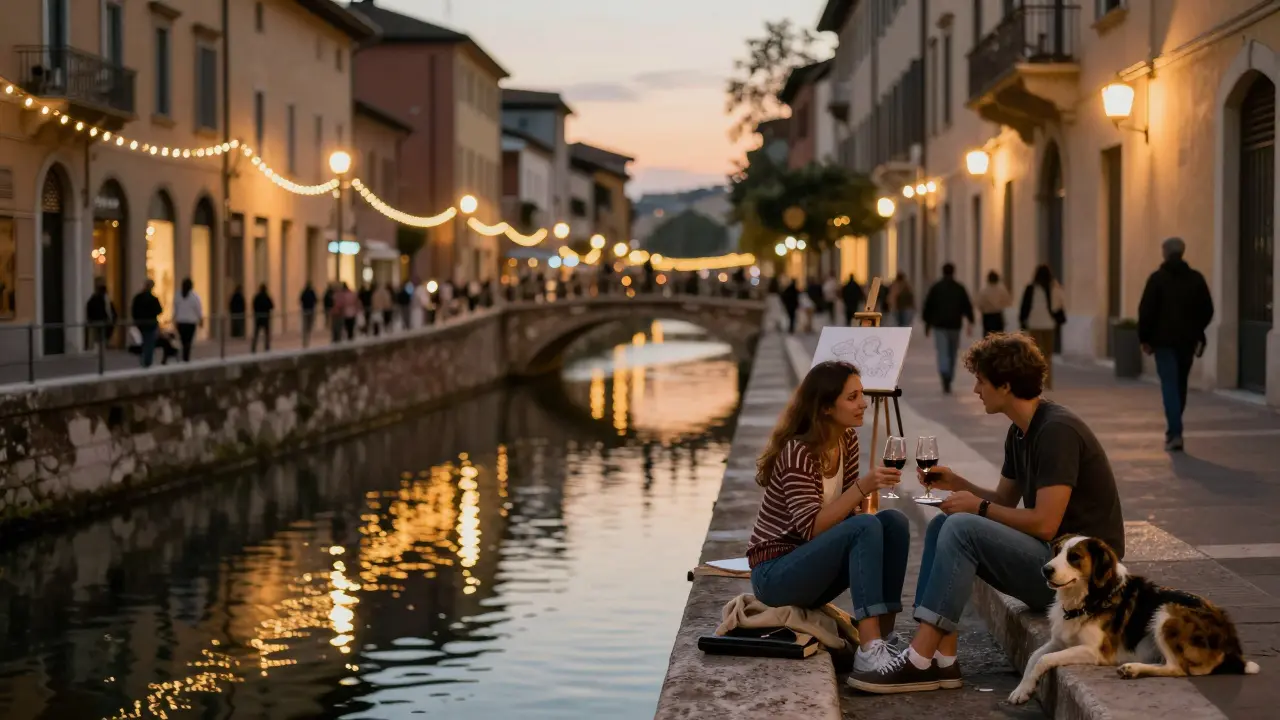
The Navigli district is where Milan’s nightlife begins-not with a bang, but with a slow, sun-dappled glide along the canals. Come at dusk, grab a spritz from Bar Navigli, and sit on the stone edge as the water reflects the warm glow of string lights. This isn’t a club district; it’s a neighborhood that turns into an open-air lounge after dark. Locals bring their dogs, their books, their friends. You’ll see couples sharing a bottle of Lambrusco, artists sketching the bridges, and small groups laughing over cicchetti-Venetian-style snacks served on wooden boards.
By 10 p.m., the bars get louder. Try Il Baretto for craft gin cocktails made with local herbs, or La Cucina del Naviglio for wine flights paired with truffle arancini. The crowd here is mixed: young professionals, expats who’ve lived here five years, and older Milanese who’ve been coming since the 1980s. No one’s dressed for a red carpet. Jeans, a nice shirt, maybe a leather jacket. That’s it.
Brera: Where Art Meets After-Dinner Drinks
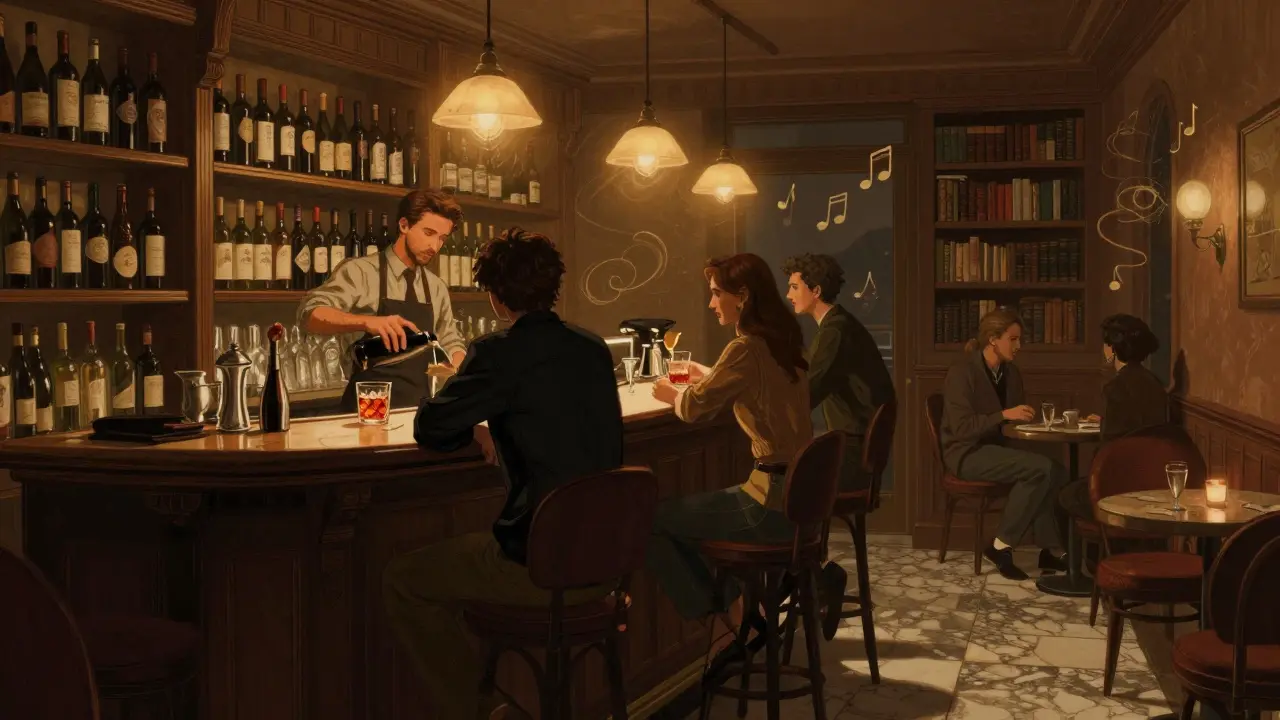
Just a 15-minute walk from Navigli, Brera feels like stepping into a black-and-white film-except the soundtrack is jazz, and everyone’s sipping Aperol. This is the intellectual’s nightlife zone. The streets are narrow, the buildings are old, and the bars are tucked behind unmarked doors. Bar Basso is legendary-not because it’s loud, but because it’s where the Negroni was invented in 1919. Order one here, and you’re drinking history.
After that, head to La Permanente, a cozy wine bar with 80+ Italian labels, most of which you’ve never heard of. The staff will ask what you like-fruity? earthy? mineral?-and pour you a glass that’ll change how you think about Italian wine. This isn’t a place to get drunk. It’s a place to taste, talk, and linger. Many locals come here after dinner at one of Brera’s Michelin-starred restaurants, like La Cucina di Lella, and stay until 2 a.m. talking about art, politics, or the latest opera.
Porta Ticinese: The Underground Pulse
If you want to feel like you’ve found Milan’s secret, head to Porta Ticinese. This is where the real underground scene lives. It’s gritty, raw, and full of character. The buildings are crumbling, the alleys are narrow, and the music is loud. But the energy? Electric.
Officine Ufo is a converted warehouse that hosts live bands, DJ sets, and art installations. No cover charge until midnight. The crowd is young-mostly 20s and early 30s-and they’re here for the music, not the vibe. You’ll hear everything from experimental techno to garage rock. The bar serves cheap beer and strong cocktails. No one cares what you’re wearing. Come as you are.
Just down the street, La Baita is a speakeasy-style bar hidden behind a fridge door. You need to text a number for the password. Inside, it’s dim, warm, and packed with people who know exactly what they’re doing. The cocktails are named after Milanese poets. The ice is hand-chipped. The bartenders remember your name after one drink. This isn’t for everyone. But if you’re looking for something real, this is it.
Corso Como: Design, Glamour, and Late-Night Dining
Corso Como is Milan’s answer to Soho or Shoreditch-minus the tourist crowds. It’s a cultural hub that doubles as a nightlife hotspot. The area is anchored by Corso Como 10, a design store that turns into a bar and restaurant after dark. The space is curated: mid-century furniture, vintage lamps, and a ceiling covered in hanging plants. The music is a mix of Italian disco and French house.
Order the truffle risotto at the restaurant, then move to the bar for a glass of Franciacorta. The crowd here is stylish but not pretentious. You’ll see fashion designers, architects, and a few celebrities who’ve slipped in quietly. It’s not a party spot-it’s a place to end the night with class. Open until 3 a.m., it’s the perfect bridge between dinner and dawn.
Clubs: Where the Night Gets Loud
If you’re here for clubs, you need to know where to go. Milan’s best clubs aren’t on the main drag-they’re hidden, often in industrial zones, and they don’t advertise. La Scala (not the opera house) is a basement club under a parking garage. No sign. Just a red door. Inside, it’s packed with people dancing to deep house and techno. The sound system is world-class. The lighting? Just strobes and candles. No VIP tables. No bottle service. Just music and movement.
For something more upscale, try Magazzini Generali in the Porta Venezia area. It’s a former warehouse turned into a multi-room club. One floor plays indie rock, another plays disco, and the basement is all techno. It opens at 11 p.m. and doesn’t close until 7 a.m. The crowd is international but local at heart. You’ll see people from Tokyo, Berlin, and New York dancing next to Milanese students who’ve been coming here since they were 18.
What to Avoid
Don’t go to the Duomo area after 10 p.m. unless you want to be surrounded by tourists taking selfies with fake Italian flags. The bars there are overpriced, the drinks are watered down, and the music is playlist-driven pop.
Avoid clubs that advertise “free entry for girls.” That’s a red flag. Real Milanese nightlife doesn’t need gimmicks. The best spots don’t even have a bouncer at the door-they just let you in if you’re respectful.
And skip the clubs that play “Uptown Funk” on loop. If you hear it, walk out. Milan has better taste.

When to Go
Weekends are packed, but weekdays are where the real locals go. Thursday and Friday nights are the sweet spot-busy enough to feel alive, but not so crowded that you can’t move. Saturday is for the tourists. Sunday? The city resets. Some bars stay open, but the energy changes. It’s quieter, slower, more intimate.
Most places don’t get busy until after 11 p.m. Dinner in Milan ends late-often around 10 p.m. So don’t expect the nightlife to start before then. The rhythm here is slow, deliberate, and deeply Italian.
How to Get Around
Public transport runs until 1:30 a.m. on weekdays and 2:30 a.m. on weekends. After that, use Bolt or Uber. Taxis are expensive and hard to find. Most bars are within walking distance of each other in the main districts. Wear comfortable shoes. You’ll be on your feet for hours.
Final Tip: Blend In
The secret to enjoying Milan’s nightlife? Don’t act like a tourist. Don’t take photos of every bar. Don’t ask for a menu in English. Don’t complain about the price of a cocktail. The locals don’t care if you’re from Ohio or Osaka. They care if you’re curious, respectful, and open to the rhythm of the night.
Order a drink in Italian. Say “Grazie” when you leave. Smile at the bartender. You’ll be treated like family.
What time do bars and clubs in Milan usually open and close?
Most bars in Milan start getting busy around 9 p.m. and stay open until 1 a.m. Clubs typically open at 11 p.m. and don’t close until 3 a.m. to 7 a.m., depending on the venue. Weekend nights run later, especially in areas like Porta Ticinese and Corso Como.
Is Milan’s nightlife safe for solo travelers?
Yes, Milan is generally safe for solo travelers at night, especially in the main nightlife districts like Navigli, Brera, and Porta Ticinese. Stick to well-lit streets, avoid isolated alleys after midnight, and don’t carry large amounts of cash. The local crowd is friendly and respectful. Most venues have security, but it’s low-key-no aggressive bouncers.
Do I need to dress up for Milan nightlife?
You don’t need to wear a suit or heels, but you should look put-together. Milan is stylish-even in casual spots. Jeans, a nice shirt, clean sneakers, or a leather jacket work. Avoid sportswear, flip-flops, or oversized hoodies. You won’t be turned away, but you’ll blend in better with a clean, simple look.
Are there any English-speaking bartenders in Milan?
In tourist-heavy areas like the Duomo, yes. But in the real hotspots-Navigli, Brera, Porta Ticinese-most bartenders speak little to no English. That’s part of the charm. Learn a few basic Italian phrases: “Un Aperol spritz, per favore,” “Grazie,” “Quanto costa?” Most locals appreciate the effort. You’ll get better service, and sometimes even a free snack.
What’s the average cost of a drink in Milan’s best nightlife spots?
In Navigli or Brera, a cocktail or spritz costs €10-€14. In underground spots like Officine Ufo or La Baita, you’ll pay €8-€12. Clubs usually charge €15-€20 for entry, which often includes a drink. Wine by the glass starts at €7. Beer is €5-€8. Prices are higher than in other Italian cities, but the quality justifies it.
If you want to remember your night in Milan, don’t just take pictures. Remember the taste of the Negroni, the sound of the jazz in Brera, the way the canal lights flickered on the water in Navigli. That’s what stays with you.