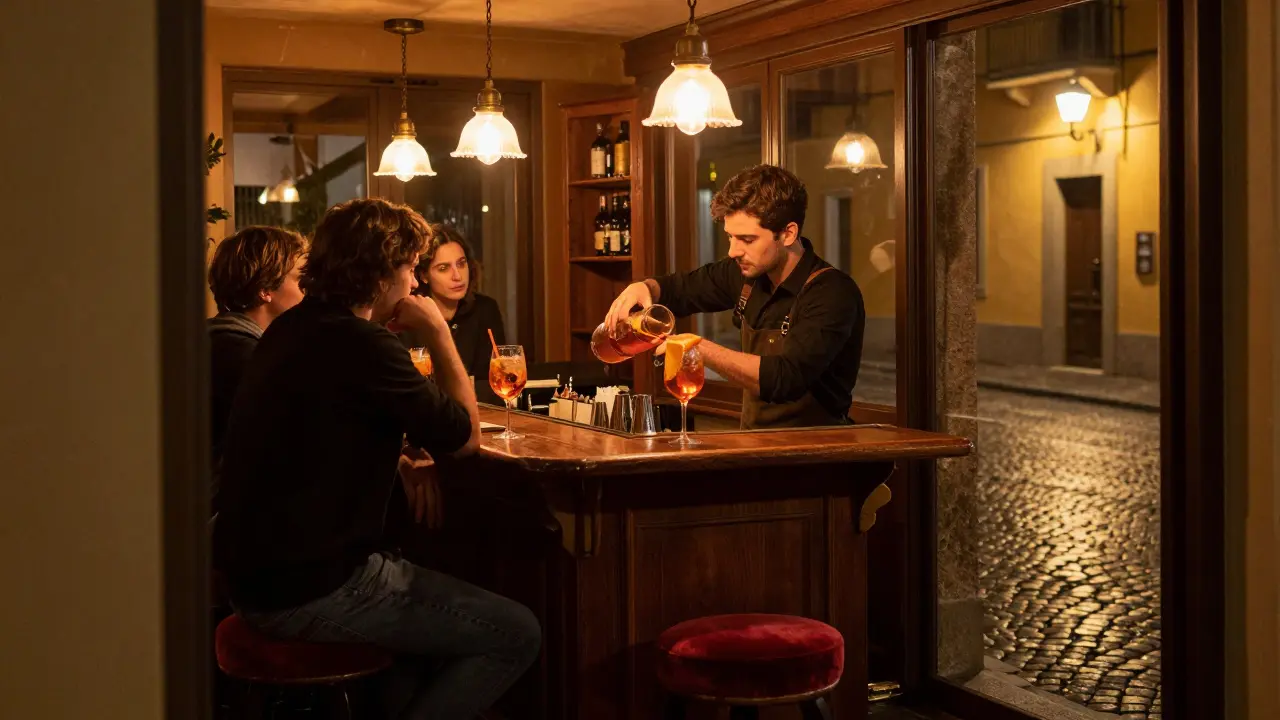
Milan doesn’t sleep when the sun goes down. While most tourists think of fashion shows and Leonardo da Vinci’s Last Supper, the real pulse of the city beats after midnight. From underground jazz cellars to rooftop lounges with skyline views, Milan’s nightlife is layered, loud, and surprisingly authentic. You won’t find chain clubs here. You’ll find locals dancing on tables in a 1920s speakeasy, sipping Aperol spritzes in a hidden courtyard, or debating art over gin cocktails in a converted warehouse.
Brera: Where the City’s Creative Crowd Unwinds
Brera isn’t just a neighborhood-it’s a mood. Narrow cobblestone streets lined with art galleries turn into open-air lounges after 9 p.m. The vibe here is relaxed but stylish. Skip the tourist traps on Via Brera and head to Bar Basso, the birthplace of the Aperol Spritz. It’s small, dimly lit, and always packed. Locals know to ask for the original recipe: 3 parts Prosecco, 2 parts Aperol, 1 part soda, and an orange slice. No substitutions. No photos. Just good drinks and quiet conversation.Walk five minutes to Il Salumiere, a wine bar that turns into a live music spot after 11 p.m. No sign. Just a red door. Inside, you’ll find jazz trios playing on a wooden stage, wine poured from bottles stored under the stairs, and a crowd that looks like it stepped out of a 1960s Italian film. It’s not on Instagram. It’s not advertised. You just hear the saxophone and follow the sound.
Navigli: The Canals That Come Alive
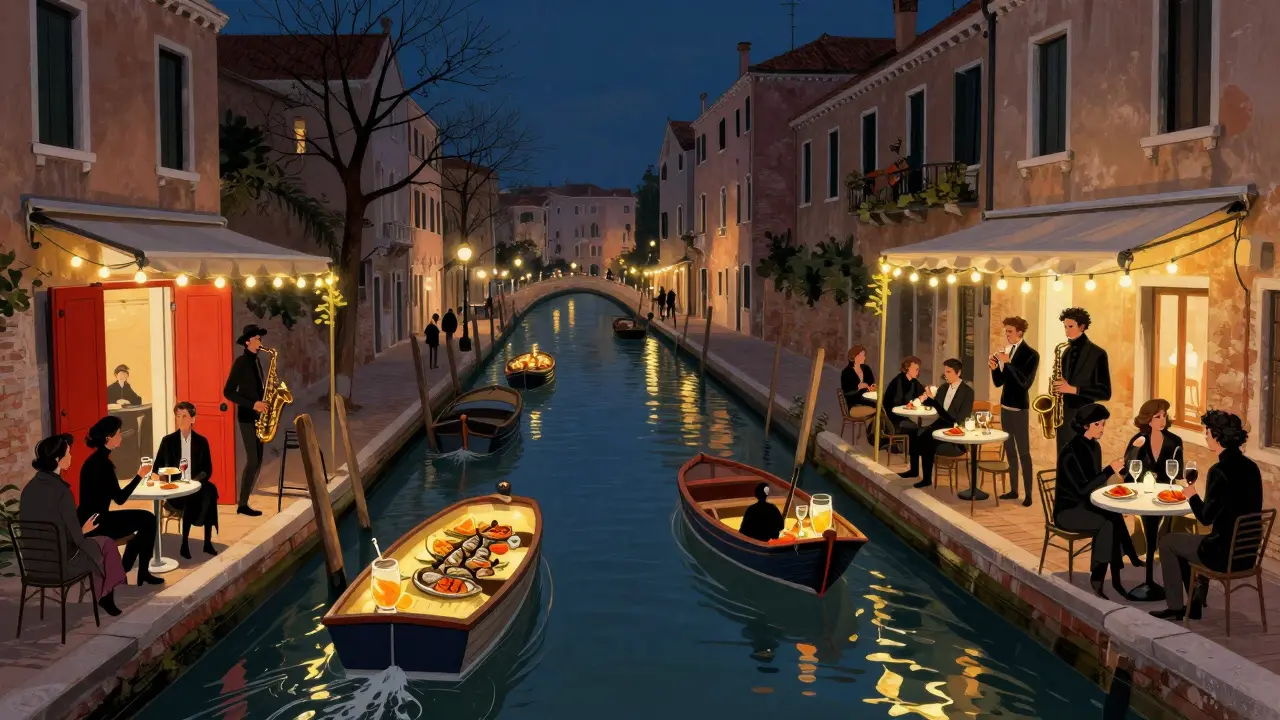
The Navigli district is where Milan goes to unwind. Once a working canal network for transporting goods, it’s now a winding maze of bars, outdoor terraces, and floating boats turned into cocktail lounges. The best time to come is Friday or Saturday, when the canals glow with string lights and the air smells like grilled sardines and citrus.La Bitta is the oldest bar in the area, open since 1963. It’s unassuming-wooden stools, a chalkboard menu, and a bartender who remembers your name. Their signature drink? The Navigli Spritz: Aperol, gin, elderflower liqueur, and a splash of grapefruit. It’s not sweet. It’s sharp. Like the city itself.
For something wilder, head to Bar Basso Navigli (yes, there’s a second location). It’s bigger, louder, and has a rooftop terrace with views of the water. DJs spin indie electronic beats until 3 a.m., and the crowd? Designers, architects, and students from Politecnico di Milano, all in black turtlenecks and vintage boots.
Porta Romana: The Underground Scene
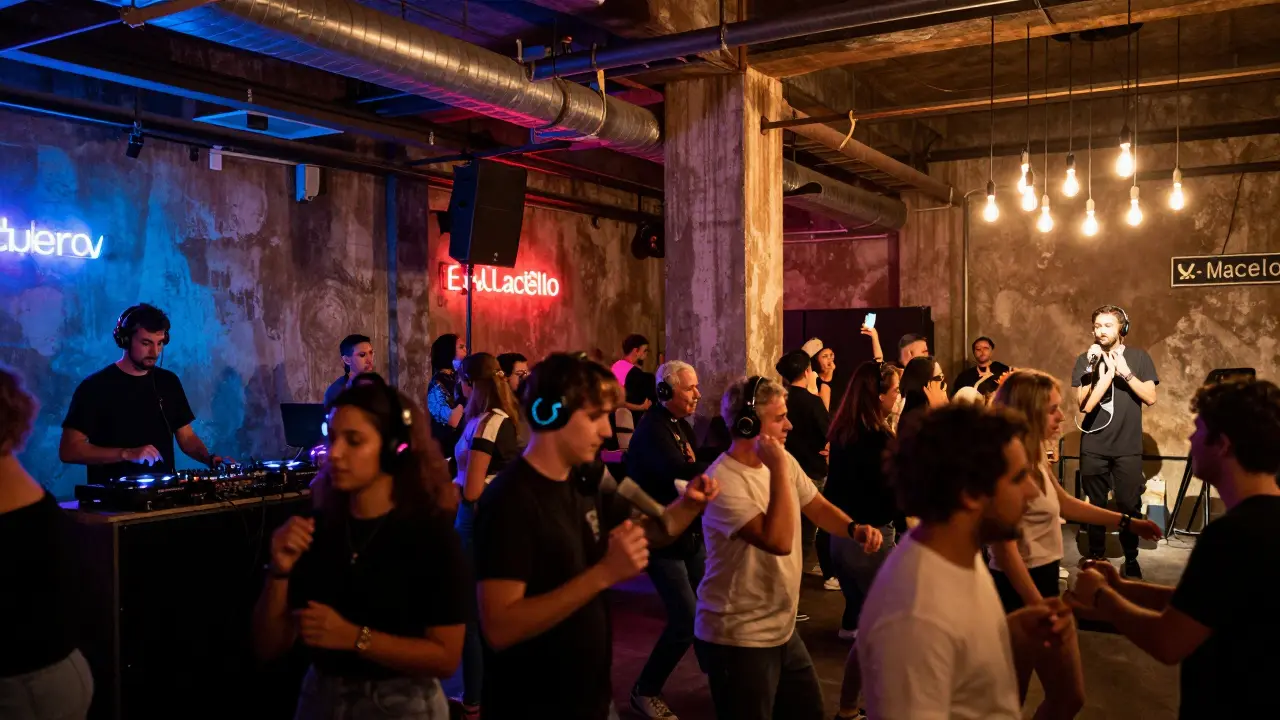
If you’re looking for something that feels like a secret, head to Porta Romana. This area is where Milan’s experimental nightlife lives. No neon signs. No bouncers in suits. Just alleyways leading to converted garages and industrial lofts.Ex-Macello is a former slaughterhouse turned into a multi-space club. One room plays techno. Another hosts poetry slams. The third? A silent disco where you pick your own channel with wireless headphones. Entry is €10, and you pay at the bar. No tickets. No lines. Just show up. The crowd is diverse-students, expats, older Milanese who still dance like they’re 25.
Don’t miss La Cucina di Mamma, a hidden bar behind a fake fridge door in a trattoria. Order the Amari Negroni: a bitter twist on the classic, made with local Amaro Montenegro. The bartender doesn’t speak English. But he’ll pour you one anyway. Just point and smile.
Corso Como: The Glamour Spot
If you want to see Milan’s elite, head to Corso Como. This is where the fashion crowd goes to be seen. It’s not about dancing. It’s about being seen. The place to go? Corso Como 10. A former 1920s mansion turned into a cultural hub with a bar, gallery, and rooftop terrace. The drinks are expensive-€18 for a gin and tonic-but the view? Worth it. You’ll spot models, photographers, and designers from Prada and Armani sipping champagne as the city lights blink on below.For a quieter version of the same vibe, try La Scala Bar inside the Corso Como Hotel. It’s tucked away, with velvet couches and a jazz playlist that never gets too loud. It’s the kind of place where you come to talk, not to dance. And that’s the point.
What to Know Before You Go
Milan’s nightlife doesn’t start early. Most places don’t fill up until after 11 p.m. Dinner at 8:30 p.m. is normal. Don’t show up at 9 p.m. expecting a party. You’ll be the only one there.Most clubs don’t have cover charges before midnight. After that, it’s €10-€20. Cash is still king in smaller bars. ATMs are rare in the back alleys of Navigli. Bring euros.
Dress code? Smart casual. No sneakers. No baseball caps. Italians notice. You don’t need a suit, but a clean jacket or a stylish coat goes a long way. If you’re wearing flip-flops and a hoodie, you’ll get stared at.
Public transport runs until 1:30 a.m. on weekdays and 2:30 a.m. on weekends. After that, Uber and Bolt work fine-but prices spike after 2 a.m. Walk if you can. Milan is safe at night, and the streets are beautiful under the lights.
Where to Go Based on Your Vibe
- For music lovers: Ex-Macello (techno), Il Salumiere (jazz), La Cucina di Mamma (indie rock)
- For cocktail purists: Bar Basso, La Bitta, La Scala Bar
- For partygoers: Corso Como 10, Bar Basso Navigli
- For hidden gems: La Cucina di Mamma, Il Salumiere, any bar with no sign
- For people-watching: Navigli canals at 11 p.m., Corso Como rooftop at midnight
Final Tip: Don’t Rush It
Milan’s nightlife isn’t about checking off clubs. It’s about wandering. Getting lost. Finding a bar you didn’t know existed because someone pointed you down an alley. It’s about the quiet moment when you realize you’re sitting next to a fashion designer who just finished a show, or a musician who played at San Siro last week.The best night in Milan doesn’t happen in the most famous place. It happens when you follow the music, the laughter, the smell of espresso and smoke, and let the city lead you. You don’t need a guide. You just need curiosity.
What time do clubs in Milan usually close?
Most clubs in Milan stay open until 3 a.m. or later, especially on weekends. Bars in Navigli and Brera often serve drinks until 4 a.m., but the music and dancing usually wind down by 2:30 a.m. If you’re looking for a late-night spot, head to Ex-Macello or Corso Como 10-they’re known for staying open past 4 a.m. on Fridays and Saturdays.
Is Milan nightlife safe at night?
Yes, Milan is generally safe at night, especially in popular nightlife areas like Brera, Navigli, and Corso Como. Pickpocketing can happen in crowded spots, so keep your bag closed and your phone secure. Avoid poorly lit alleys after 2 a.m., and stick to main streets. The metro runs until 1:30 a.m. on weekdays and 2:30 a.m. on weekends, so you’re never far from a ride home.
Do I need to make reservations for bars in Milan?
For most bars and small clubs, no. You can walk in. But if you’re planning to visit Corso Como 10 or a popular rooftop bar on a Friday night, arriving before 10 p.m. helps. Some places, like La Cucina di Mamma, have limited seating and operate on a first-come basis. No reservations are taken, so show up early if you want a good spot.
What’s the average cost of a drink in Milan’s nightlife spots?
In Brera or Navigli, expect to pay €8-€12 for a cocktail or spritz. In upscale spots like Corso Como 10, prices jump to €15-€20. Beer is usually €5-€7. Wine by the glass starts at €7. You’ll find cheaper drinks in local osterias near Porta Romana-€5 for a glass of house red. Cash is preferred in smaller venues, so always carry some euros.
Are there any dress codes in Milan nightlife?
Yes. Milan is Italy’s fashion capital, and people dress for the occasion. Avoid sneakers, shorts, tank tops, and baseball caps. Smart casual is the standard: dark jeans, a nice shirt or blouse, and a jacket or coat. You don’t need a suit, but looking put-together matters. If you’re unsure, dress like you’re going to a nice dinner-not the beach.