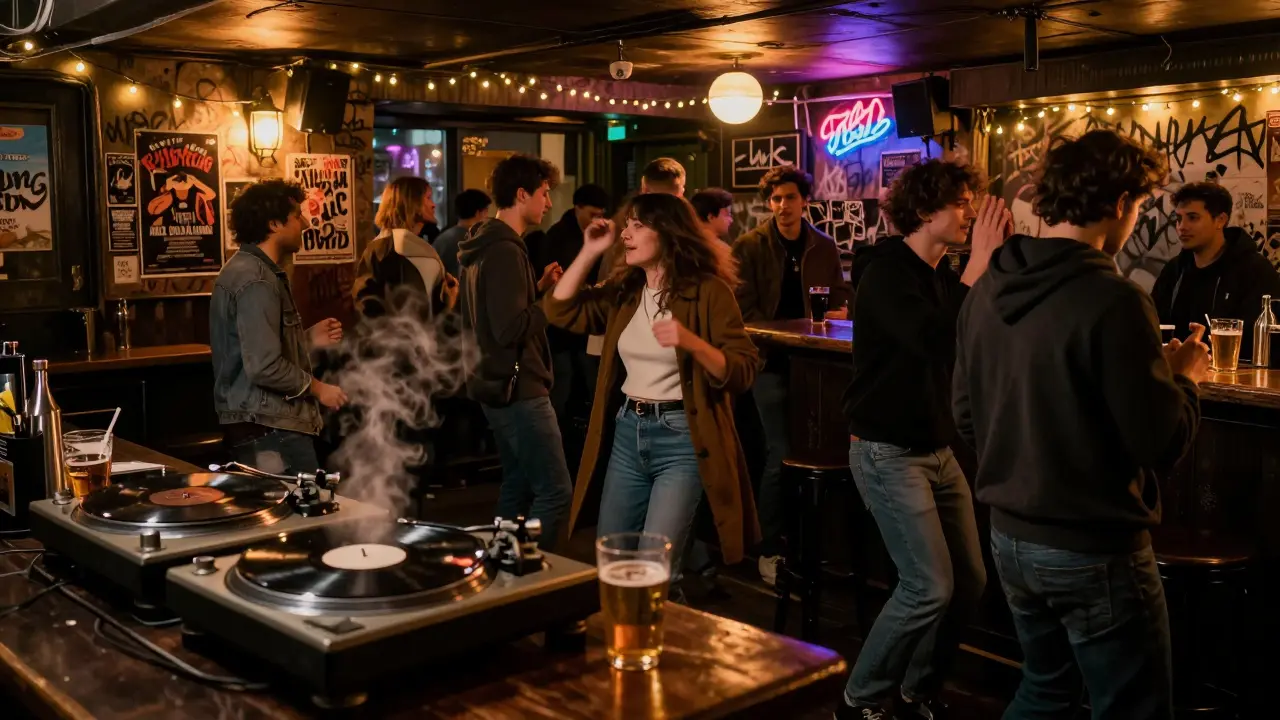
London doesn’t sleep. Not really. By 11 p.m., most cities are winding down. But in London, the real night is just starting. You’ll find students dancing in Shoreditch, jazz lovers sipping gin in Soho, and old-school pub regulars arguing over football in Camden-all at the same time. This isn’t tourist nightlife. This is what happens when 9 million people live in a city that never turns off.
Where Londoners Actually Go After Work
Forget the big-name clubs advertised on billboards. Locals don’t queue for VIP tables at Fabric or Ministry of Sound unless it’s a special event. Most nights, they’re in hidden pubs, basement bars, or speakeasies you won’t find on Google Maps. Take The Ten Bells in Spitalfields. It’s been around since 1840, had a run-in with Jack the Ripper, and still serves real ales at £5.50. No neon. No DJs. Just regulars, mismatched chairs, and a back room where someone’s always playing vinyl records.In Peckham, Rye Bar turns a former fishmonger’s shop into a late-night spot with craft cocktails and a rotating lineup of underground DJs. It’s not flashy. But if you want to hear a new artist before they blow up, this is where you’ll find them.
The Club Scene: Real vs. Reel
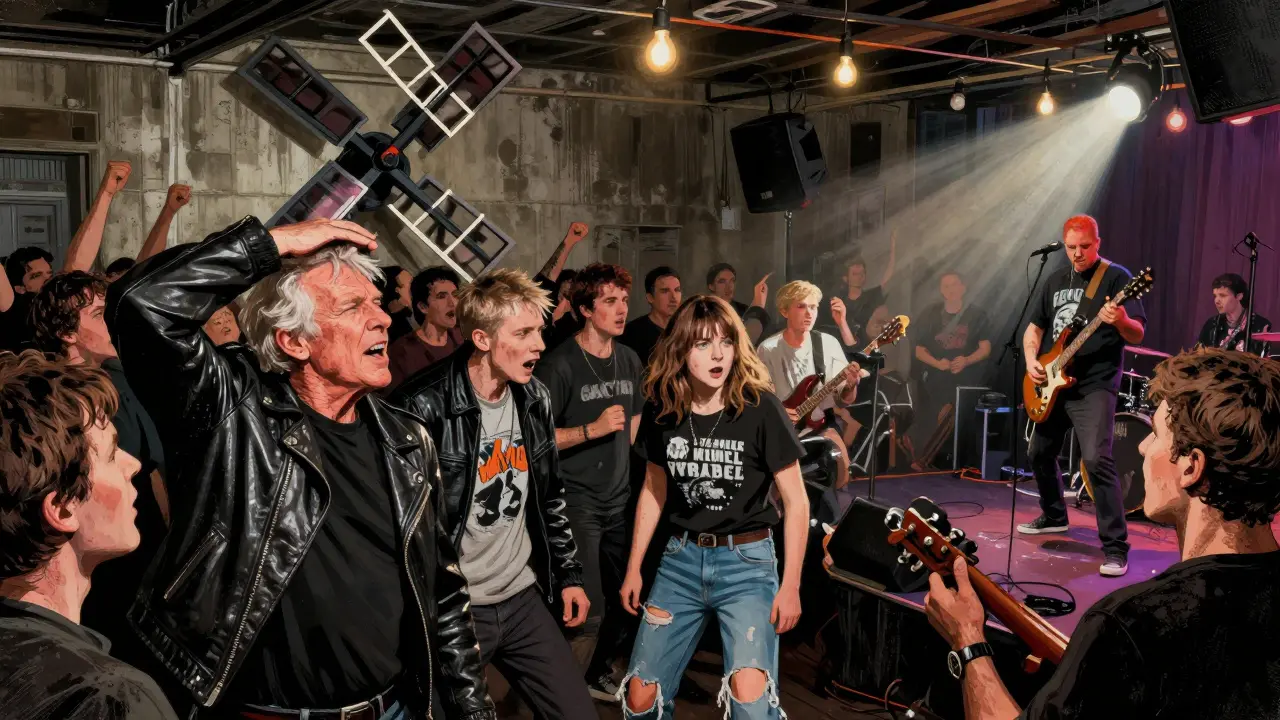
Most visitors think London’s club scene is all about big rooms, bottle service, and celebrity sightings. The truth? The best clubs are small, loud, and chaotic. The Windmill in Brixton has been a hub for punk, indie, and electronic music since the 1970s. It’s got one room, one bar, and no dress code. You’ll see a 70-year-old man in a leather jacket dancing next to a 20-year-old in ripped jeans. That’s London.For electronic music heads, The Cross in Dalston is the place. It doesn’t open until midnight, and the sound system is built to shake your ribs. No VIP section. No bouncers checking your ID twice. Just a crowd that came for the music, not the Instagram shot.
And then there’s The Garage in Islington. It’s not new, but it’s still the best place to see emerging UK rap and grime artists. You’ll hear names like Little Simz or Stormzy before they headline festivals. Tickets are £12. No reservation needed. Just show up.
Pubs That Never Close (Almost)
London’s pub culture isn’t dying-it’s evolving. The old-school boozer with a dartboard and a flat-screen showing football? Still alive. But now, you’ve got pubs that serve natural wine, host poetry nights, or turn into dance floors after 10 p.m.The Harp in Soho is a classic. It’s been a musician’s hangout since the 1950s. Bob Marley played here. So did David Bowie. Today, it’s still the place where you’ll find a jazz trio playing at 1 a.m. and a group of students debating philosophy over Guinness.
For something newer, try The Standard in King’s Cross. It’s not a pub in the traditional sense-it’s a multi-level bar with rooftop views, vinyl-only music, and a kitchen that serves burgers until 3 a.m. Locals come here after clubbing to cool down with a cold brew and a plate of loaded fries.
What to Drink Like a Londoner
You won’t find many people ordering vodka sodas in London. If you’re going out, you’re drinking something with character.- Whisky - Not the fancy stuff. It’s the cheap, smoky Islay single malts at The Blind Pig in Camden. £6 a dram, no ice, no mixer.
- Craft beer - The Kernel Brewery in Bermondsey started as a home-brew operation. Now it’s one of the most respected in Europe. Their IPA has 7% ABV and tastes like citrus and pine needles.
- London Dry Gin - The city invented this. The City of London Distillery offers tastings with botanicals like elderflower and bay leaf. Order it with tonic, a slice of grapefruit, and a side of history.
- Shandy - Yes, really. It’s half beer, half lemonade. Sounds boring? Try it in a pub in East London after a long night. It’s the drink of choice for people who want to stay up but not pass out.
When to Go Out-And When to Skip It
Timing matters. London’s nightlife isn’t like New York or Berlin. It moves on its own rhythm.- Wednesday - The quietest night. Perfect for trying out a new bar without crowds.
- Friday - The real start of the weekend. Clubs open early. Bars get busy by 9 p.m.
- Saturday - The peak. Expect queues at popular spots. If you want in without waiting, show up before 11 p.m.
- Sunday - Surprisingly good. Many bars stay open late, and the vibe is relaxed. The Old Blue Last in Shoreditch is famous for its Sunday night live music.
- Monday - Most places are closed. But some underground spots like The Lexington in Islington host special events. Check local listings.
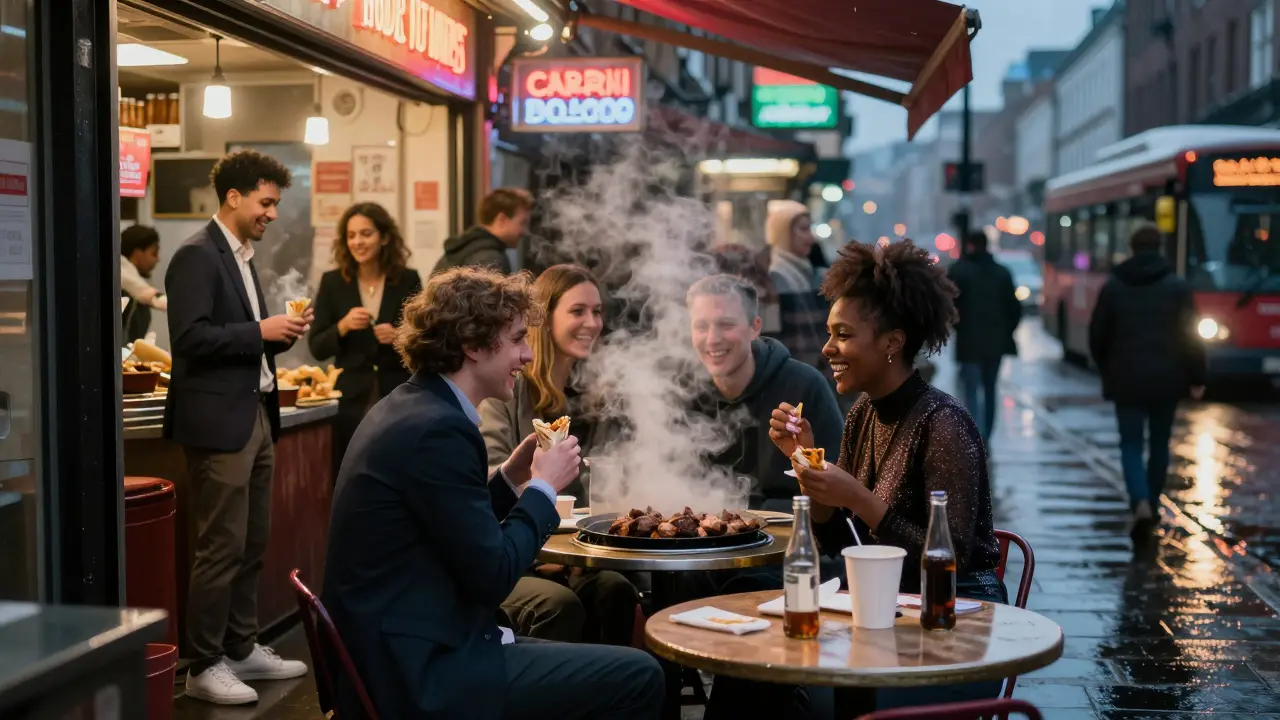
And don’t be fooled by the “24-hour” clubs. Most close by 3 a.m. The real after-hours scene? That’s in private flats, basement parties, or the 24-hour kebab shops on Brick Lane where you’ll find half the city eating greasy food at 4 a.m.
How to Avoid the Tourist Traps
Tourist traps aren’t just overpriced. They’re soulless. Here’s how to dodge them:- If a bar has “London’s #1 Nightclub” on the sign, walk away. The real ones don’t advertise.
- Don’t pay £15 for a cocktail in Covent Garden. Head to Dalston or Peckham instead.
- Forget the West End theatres turning into clubs after midnight. They’re for visitors who think “nightlife” means fancy drinks and live singers.
- Don’t follow Instagram influencers. Their “secret spot” is usually just a bar with good lighting and a PR deal.
- Use Time Out London or The Londonist for real event listings-not apps that sell tickets.
What to Wear (And What Not To)
Londoners don’t dress for nightlife. They dress for themselves.There’s no dress code in 90% of venues. You’ll see:
- Someone in a suit and trainers
- A teenager in a hoodie and ripped jeans
- A 50-year-old in a vintage coat and combat boots
What you shouldn’t wear:
- Matching outfits
- Expensive watches
- Designer sunglasses indoors
- Anything that looks like you’re trying too hard
Comfort matters. You’ll be standing for hours. Walking between venues. Waiting in line. Wear shoes you can dance in, not ones you bought for a wedding.
How to Get Around After Dark
London’s public transport runs all night on weekends. The Night Tube (Victoria, Central, Jubilee, Northern, and Piccadilly lines) operates Friday and Saturday nights. But don’t rely on it alone.Uber and Bolt are everywhere. But prices spike after 1 a.m. If you’re heading to a party in East London, consider taking the bus. The N29 runs from Oxford Circus to New Cross, and it’s cheap. Or just walk. Many areas are safe after dark, especially in zones like Shoreditch, Camden, and Brixton.
Always keep your phone charged. Use Google Maps offline mode. And never assume you’ll find a cab when you need one. London’s night buses are reliable. Taxis? Not so much.
Final Tip: Be Part of the Scene, Not Just a Visitor
The best nights in London aren’t planned. They happen when you talk to someone at the bar, follow a stranger down a side alley, or get dragged into a party because they said, “You’ve got to hear this track.”London’s nightlife isn’t about checking off clubs. It’s about the people, the music, the randomness. It’s about finding a hidden room above a bookshop where a poet reads at 2 a.m. Or a basement where a band plays their first gig and the crowd sings along like they’ve known the songs for years.
That’s what makes it different. That’s what makes it worth staying up for.
What’s the best night to go out in London?
Saturday is the busiest, but Friday night is when the real energy starts. If you want to avoid crowds, try Wednesday or Sunday. Many locals prefer Sunday nights-quieter, better music, and no pressure to keep drinking.
Are London clubs safe at night?
Yes, most are. Major venues like The Garage, The Cross, and The Windmill have trained staff, good lighting, and clear exits. Avoid places with no visible security or that feel isolated. Stick to well-known areas like Shoreditch, Brixton, and Dalston. If something feels off, leave. Trust your gut.
How much should I budget for a night out in London?
You can have a great night for £30-£50. That’s £5-£7 for a pint, £10-£15 for a cocktail, £10-£12 for entry at a small club, and £10 for a kebab at 3 a.m. Skip the bottle service. It’s not worth it. Drink local, walk between spots, and you’ll stretch your cash further.
Is there a dress code in London nightclubs?
Almost none. You won’t be turned away for wearing jeans and a hoodie. Some upscale venues in Mayfair or Soho might ask for smart casual, but even then, it’s loose. No ties, no suits required. The only rule: don’t wear sports gear, flip-flops, or anything that looks like you’re still in the office.
What time do places actually close in London?
Most bars close at 1 a.m. Clubs usually shut by 3 a.m. But the real party doesn’t end there. Many people head to 24-hour cafes, kebab shops, or underground house parties that go until sunrise. The city never really sleeps-you just have to know where to look.
London’s nightlife isn’t about the name on the door. It’s about the sound coming from inside. The laughter. The music. The strangers who become friends by 2 a.m. You don’t need to be a local to feel at home here. Just show up, stay open, and let the city take you where it wants to go.