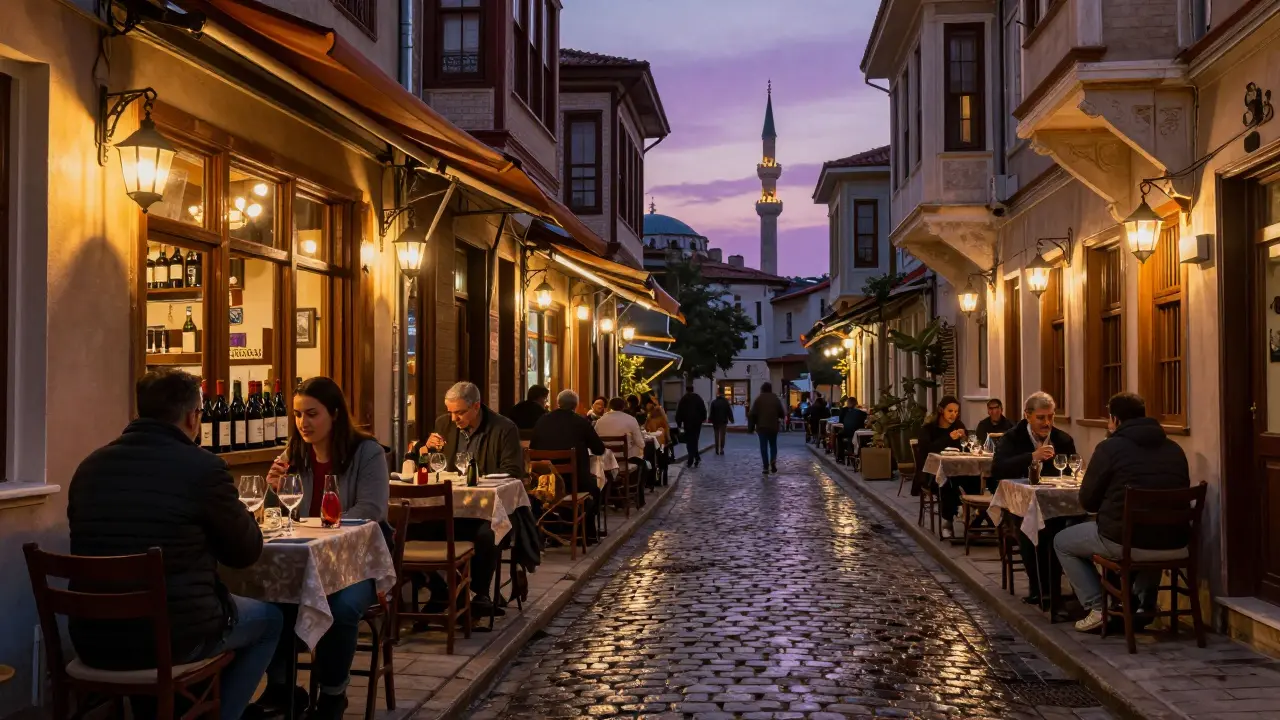
When the sun sets over the Bosphorus, Istanbul doesn’t sleep-it transforms. The city’s nightlife isn’t just about loud music and neon signs. It’s a layered experience, where a 70-year-old sipping raki on a rooftop with a view of the minarets shares the same street as a 20-year-old dancing to Turkish house beats in a hidden basement club. This isn’t a city that offers one kind of night. It offers many.
Where the Locals Go After Dark
If you want to feel like a local, skip the tourist traps along Istiklal Avenue after 11 p.m. Head to Karaköy instead. The cobblestone streets here buzz with a quiet energy. Tiny wine bars like Wine Bar serve natural Turkish wines by the glass-some made from grapes you’ve never heard of. The staff won’t push you to order. They’ll ask what you like: fruity? earthy? spicy? Then they’ll pour you something unexpected. One regular told me he comes here every Friday to taste a new bottle and swap stories with the owner, who’s been making wine since 1998.
Just a few blocks away, Çiçek Pasajı-once a 19th-century arcade full of flower shops-is now lined with traditional meyhanes. These aren’t fancy restaurants. They’re loud, smoky, and full of laughter. Order a plate of haydari (yogurt with garlic and dill), some grilled sardines, and a carafe of rakı. Watch how locals mix it: one part water, two parts rakı, ice on the side. The drink turns milky white. You sip slow. The night stretches.
Family-Friendly Nights Are Real Here
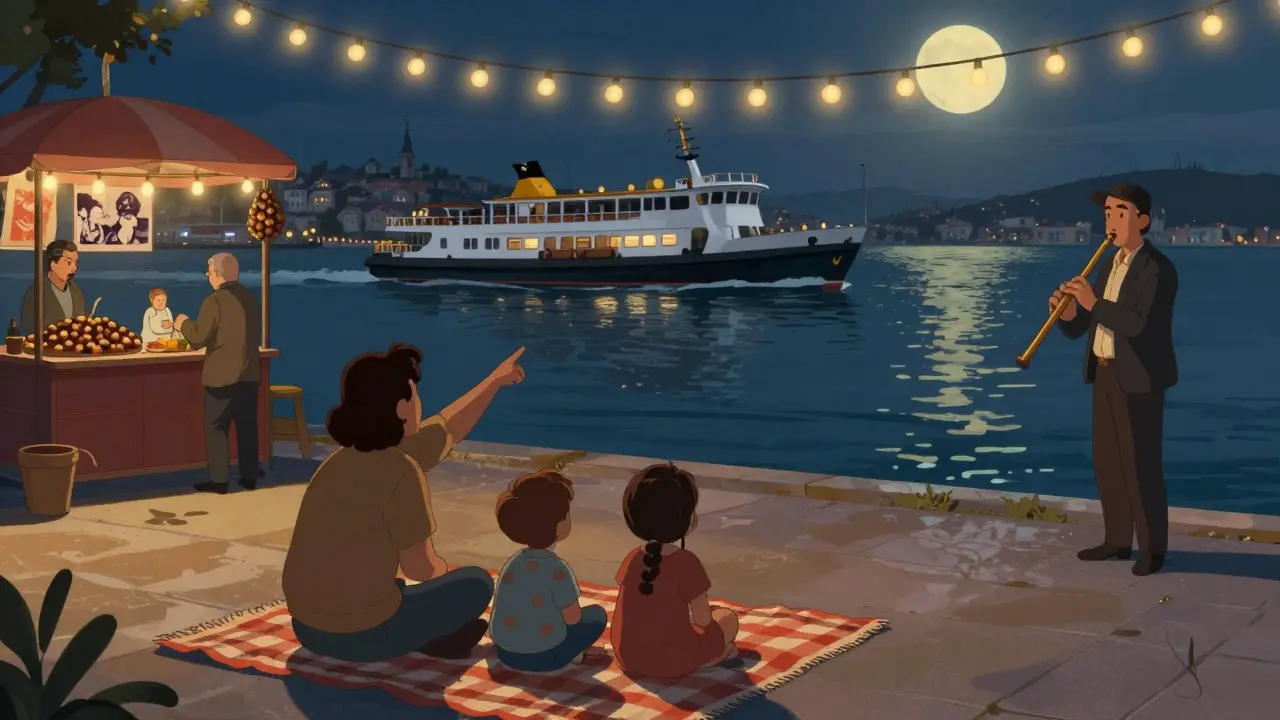
Many assume Istanbul’s nightlife is only for adults. That’s not true. On weekends, families pack the seaside promenades in Beşiktaş and Kadıköy. Kids ride mini trains, parents sip çay, and grandparents sit on benches watching the ferries glide across the water. There’s live folk music on Fridays, and street performers juggle, paint faces, or play the ney (a traditional flute). No cover. No pressure. Just light, laughter, and the smell of roasted chestnuts.
At Moda Park in Kadıköy, you’ll find open-air cinema nights. Families bring blankets and snacks. The screen shows Turkish classics like Vizontele or international hits like Amélie. The projection starts at 9 p.m., and the crowd stays until the credits roll. No one rushes. No one checks their watch. It’s just the city breathing.
The Underground Club Scene That Doesn’t Care About Fame
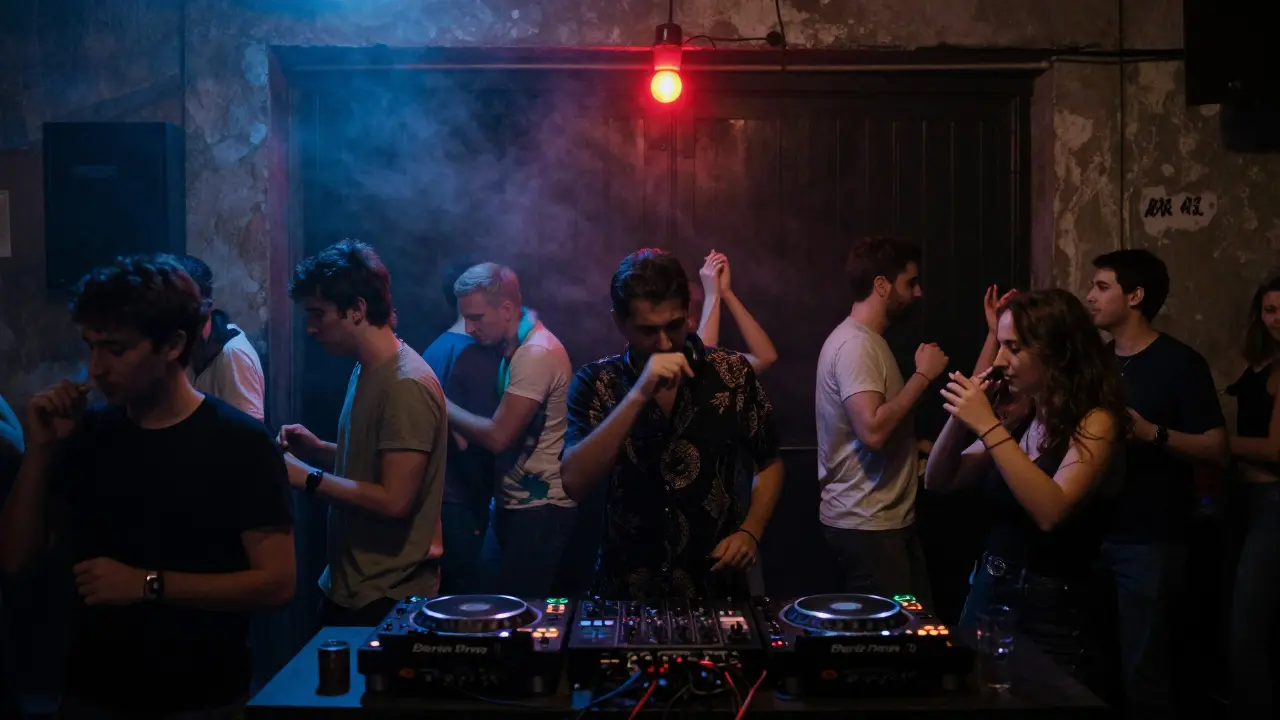
For those who want to dance until dawn, Istanbul has a secret club scene that doesn’t advertise on Instagram. In the industrial zone near Eyüp, tucked behind a warehouse door, is Bar 33. No sign. Just a single red light. Inside, the sound is deep, bass-heavy Turkish techno mixed with Kurdish folk samples. The crowd? Artists, engineers, students, and retired teachers-all dancing like no one’s watching. The bouncer doesn’t check IDs. He just smiles and says, “You feel the music? Come in.”
Down in Galata, Yeni Lokanta turns into a jazz den after midnight. No stage. No spotlight. Just a piano, a saxophone, and a drummer who’s been playing here since 2007. You pay by donation. Some give 50 lira. Others give 500. The musicians don’t care. They play because they love it. And if you sit quietly in the corner with a glass of apple tea, you’ll hear something you won’t find on Spotify.
Where the Old and New Collide
On the Asian side, Kuzguncuk feels like a village inside a city. The narrow streets are lit by lanterns. Families gather on porches. But on Saturday nights, a small venue called Yıldız hosts live electronic sets with a twist: the DJ blends traditional Ottoman melodies with modern beats. The audience? Mostly locals in their 40s and 50s. They don’t come for the hype. They come because they remember the old songs-and now, they’re hearing them reborn.
Meanwhile, in Nişantaşı, rooftop lounges like Arkaoda offer skyline views and craft cocktails. The drinks are expensive, but the silence is priceless. You can sit there at 2 a.m. and watch the call to prayer echo from the nearby mosque, then hear a jazz trio play Bill Evans just a few blocks away. Istanbul doesn’t separate the sacred from the wild. It lets them coexist.
What You Won’t Find (And What You Should Know)
You won’t find drunk tourists stumbling down streets at 3 a.m. in Istanbul. The city has rules. Public intoxication is rare. People drink, but they don’t act out. The police don’t patrol clubs-they patrol the streets to make sure no one gets hurt. That’s why families feel safe. That’s why older people still go out.
Also, don’t expect 24-hour clubs. Most close by 4 a.m. But that’s not a flaw-it’s a feature. Istanbul’s rhythm isn’t about staying up all night. It’s about savoring the night. Leaving before dawn feels like saying goodbye to a good friend, not cutting a party short.
How to Make the Most of Your Night
- Start early: Dinner at 8 p.m. lets you move from food to drinks to music without rushing.
- Walk, don’t drive: Istanbul’s neighborhoods are close. A 15-minute stroll can take you from a meyhane to a jazz bar to a quiet waterfront bench.
- Learn one phrase: “Ne önerirsiniz?” (What do you recommend?) opens doors. Locals love sharing their favorite spots.
- Carry small bills: Many places don’t take cards. A 50-lira note covers a drink. A 100-lira note covers a meal.
- Respect the rhythm: If you’re in a quiet bar, don’t shout. If you’re in a club, dance like no one’s watching. That’s the Istanbul way.
Final Thought: It’s Not About the Party. It’s About the People.
Istanbul’s nightlife isn’t about how many places you hit. It’s about the conversations you have. The stranger who invites you to try their grandmother’s recipe for fig jam. The old man who tells you how he danced to Frank Sinatra in 1965. The child who points at the moon and says, “Look, Mama, the sky is singing.”
This city doesn’t sell nights. It shares them.
Is Istanbul nightlife safe for families?
Yes. Istanbul is one of the safest major cities in Europe for nighttime activities. Families commonly stroll along the Bosphorus, enjoy open-air cinemas, and dine at meyhanes well into the evening. Public intoxication is rare, and police presence is visible but unobtrusive. Areas like Kadıköy, Beşiktaş, and Kuzguncuk are especially family-friendly after dark.
What’s the best time of year for Istanbul nightlife?
Spring (April-June) and early autumn (September-October) are ideal. The weather is mild, outdoor venues are open, and the crowds aren’t overwhelming. Summer (July-August) can be hot and packed, while winter nights are quieter but still lively in indoor spots like jazz bars and traditional meyhanes.
Do I need to speak Turkish to enjoy Istanbul’s nightlife?
No, but knowing a few phrases helps. Most bartenders and waiters in tourist areas speak basic English. But in local spots-especially in Karaköy, Kadıköy, or Eyüp-saying “Teşekkür ederim” (Thank you) or “Ne önerirsiniz?” (What do you recommend?) builds instant connection. Locals appreciate the effort, and it often leads to better recommendations.
Are there any age restrictions for clubs in Istanbul?
Most licensed clubs require guests to be 18 or older, but enforcement varies. In tourist-heavy areas like Beyoğlu, ID checks are common. In underground spots, especially in Galata or Eyüp, the focus is on vibe, not age. If you’re under 18, you won’t be turned away from meyhanes, rooftop lounges, or jazz bars-many of which welcome all ages.
How much should I budget for a night out in Istanbul?
You can have a full night out for under 500 Turkish lira (about $15 USD). A meal at a meyhane costs 150-250 lira. A drink at a wine bar is 60-100 lira. A taxi across the city is 100-150 lira. Even a rooftop cocktail with a view runs about 120 lira. Skip the tourist traps on Istiklal-prices there are inflated. Stick to local neighborhoods for real value.
What should I wear for Istanbul’s nightlife?
There’s no strict dress code. In meyhanes and rooftop lounges, casual is fine-jeans and a nice shirt. For upscale spots in Nişantaşı or Bebek, smart casual works. In underground clubs, comfort matters more than style. Layer your clothes-nights can get chilly near the water, even in summer. No need for formal wear unless you’re going to a five-star hotel bar.