Milan doesn’t sleep when the sun goes down. While Rome has its piazzas and Venice its canals, Milan’s soul comes alive after midnight - in dimly lit basements, rooftop terraces with skyline views, and warehouses turned into underground dance floors. If you’re a night owl, this city doesn’t just accommodate you - it rewards you. Forget the idea that Italy shuts down after 11 p.m. In Milan, the real party starts when other cities are calling it a night.
Where the locals go after midnight
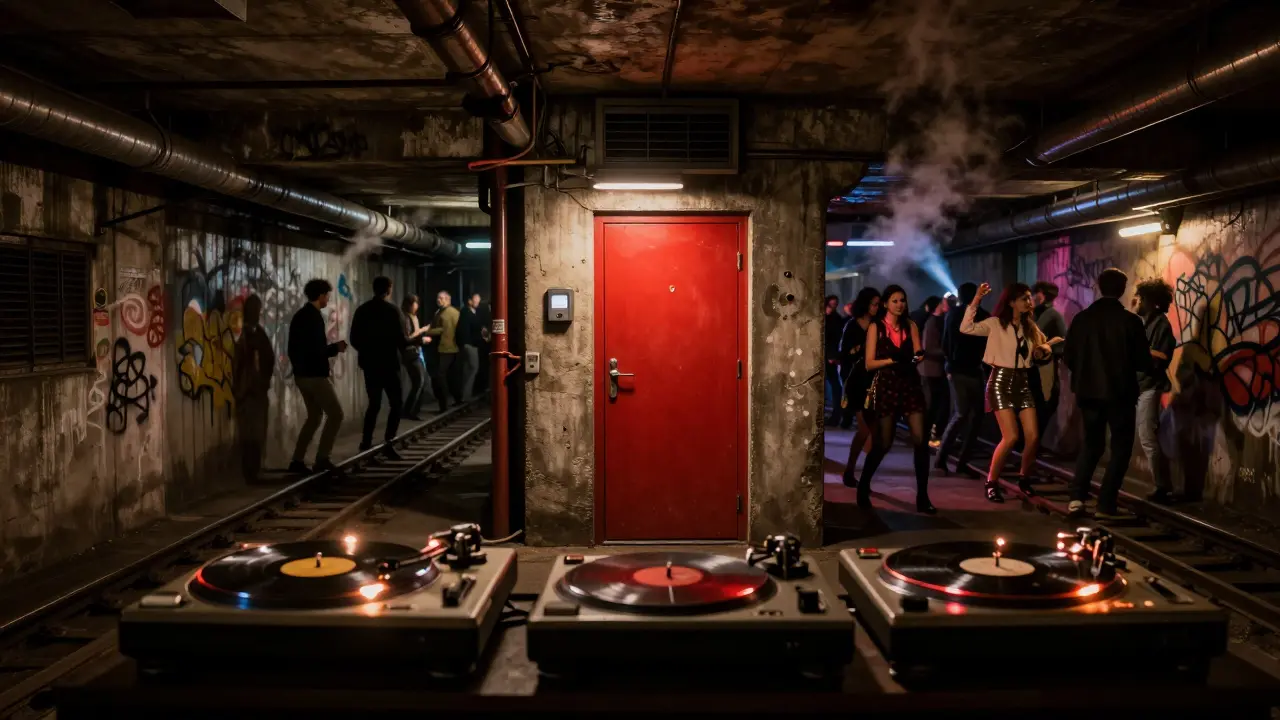
You won’t find tourists here. This is where Milan’s creatives, designers, and musicians unwind. Capo d’Africa is the go-to spot for anyone who wants to feel like they’ve stumbled into a secret. Tucked under the metro tracks near Porta Genova, it’s a cavernous space with industrial decor, vinyl-only sound systems, and DJs who play everything from deep house to experimental techno. No sign. No line. Just a single red door and a bouncer who nods if you look like you belong. Doors open at 1 a.m. and don’t close until sunrise. Bring cash. Credit cards don’t work here.
Just down the street, La Bitta is the kind of bar that feels like a friend’s basement - if your friend had impeccable taste and a collection of rare Italian amari. It’s small, loud, and packed with people who know exactly what they’re drinking. The cocktail menu changes weekly, but the Amari Negroni - made with three local bitter liqueurs - never leaves the board. Order it with a plate of cured meats and olives. You’ll be here for hours.
Rooftop vibes with a view
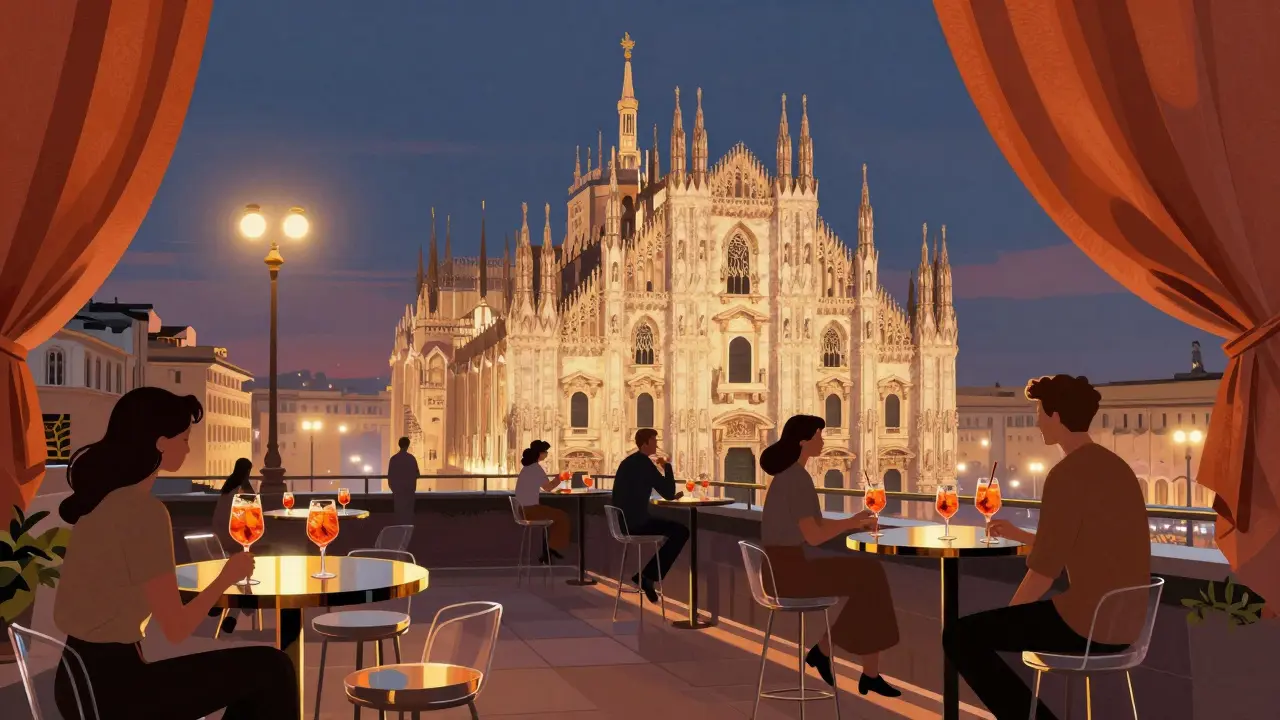
If you want to sip something fancy while watching the Duomo glow under the stars, head to Terrazza Aperol on the top floor of the Four Seasons hotel. It’s not cheap - cocktails start at €18 - but it’s the only place in the city where you can drink a spritz with a 360-degree view of Milan’s skyline. The crowd is a mix of well-dressed locals and international visitors, but no one’s judging. The music is smooth jazz and classic Italian pop, not thumping bass. Come before 10 p.m. if you want a table. After that, it’s standing room only.
For something more intimate, try Il Salotto di Via Manzoni. It’s not technically a rooftop, but the glass-walled lounge on the third floor of a 19th-century palazzo gives you the same effect. Think velvet couches, candlelit tables, and bartenders who mix drinks like they’re performing a ritual. The Black Truffle Old Fashioned is their signature - smoky, earthy, and surprisingly light. They close at 2 a.m., but if you ask nicely, they’ll let you stay until 3.
Underground clubs that don’t advertise
Milan’s real nightlife isn’t on Instagram. It’s in abandoned factories, hidden courtyards, and converted garages. Officine Grandi Riparazioni (OGR) is a former railway workshop turned cultural hub. On weekends, it hosts electronic music events with international DJs and light installations that make the whole space feel like a sci-fi dream. Tickets sell out fast, so check their website every Tuesday for new lineups. Entry is €15, and the crowd is young, diverse, and totally immersed in the music.
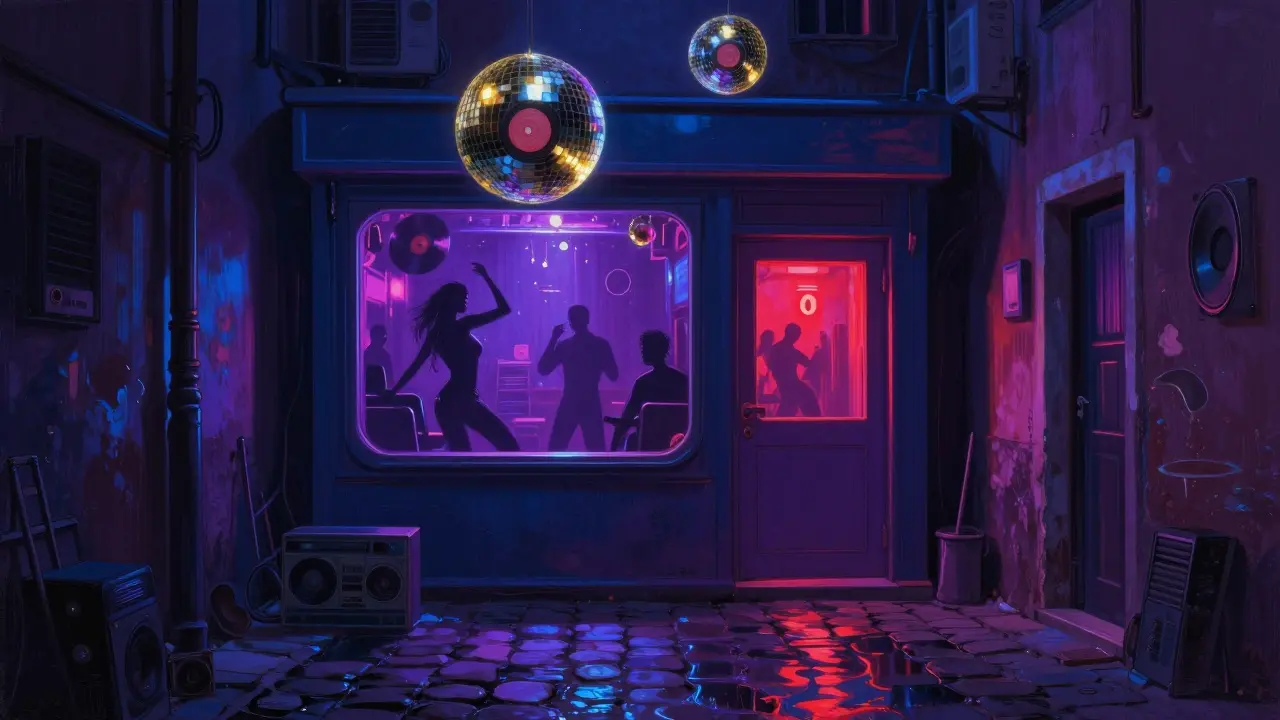
Then there’s La Banda, a tiny club tucked behind a laundry shop in the Navigli district. You’ll know you’ve found it when you hear the bass vibrating through the pavement. No sign. No website. Just a door with a number painted on it. Inside, it’s packed, sweaty, and electric. The DJs play rare Italo-disco and 90s house tracks you haven’t heard since your cousin’s basement party in 2003. They don’t take reservations. Just show up after midnight. If the door’s open, you’re in.
Bars that turn into clubs (and vice versa)
Some spots in Milan don’t fit neatly into categories. Bar Basso is the birthplace of the Negroni - yes, the Negroni - and it’s been serving cocktails since 1924. By day, it’s a quiet, wood-paneled classic. By night, it turns into a buzzing hub for artists, journalists, and fashion insiders. The bartenders here know your name by the second visit. Order the original Negroni. Don’t ask for substitutions. This isn’t the place to experiment.
Over in Brera, Bar Basso’s younger sibling, Bar Basso Lounge, opens at 9 p.m. with live jazz and closes at 4 a.m. It’s less formal, more playful. The playlist shifts from bossa nova to deep house as the night goes on. The cocktails are creative - think lavender-infused gin or espresso martini with smoked salt. The vibe? Think Parisian café meets Brooklyn loft.
What to wear (and what not to)
Milan doesn’t have a strict dress code, but it has standards. You won’t get into most clubs wearing sneakers and a hoodie. That doesn’t mean you need a tuxedo. Think effortless chic: tailored jeans, a crisp shirt, a leather jacket. Women often wear little black dresses or sleek jumpsuits. Men skip the baseball caps and opt for loafers or clean sneakers. If you’re going to a rooftop or lounge, smart casual is fine. For underground clubs? Just make sure you’re clean, put together, and not wearing sportswear from the 2010s.
When to go - and when to skip
Weekends are packed. Friday and Saturday nights are when the city explodes. If you want space to breathe, go on a Thursday. The crowds are smaller, the drinks are cheaper, and the DJs are often better - they’re testing new sets before the weekend rush. Sunday nights are surprisingly lively too. Many clubs stay open until 6 a.m. on Sundays, and the vibe is more relaxed, more intimate.
Avoid going on public holidays like Ferragosto (August 15) or during Milan Fashion Week. The city gets overrun with tourists, prices spike, and the local scene disappears. Stick to the off-season - October through March - for the real experience.
How to get around safely
Milan’s metro runs until 1:30 a.m. on weekdays and 2:30 a.m. on weekends. After that, you’ll need a taxi or rideshare. Uber doesn’t operate here - use Free Now or Beat. Taxis are reliable but expensive. A ride from Porta Genova to Navigli might cost €15-20. If you’re going to OGR or any club outside the city center, plan ahead. Don’t rely on walking after 3 a.m. - some neighborhoods get quiet, and the streets aren’t well lit.
What to expect at closing time
Most clubs close between 3 and 5 a.m. But the night doesn’t end there. Around 5 a.m., the real insiders head to Bar del Caffè near the Central Station. It’s a 24-hour café with strong espresso, croissants, and a counter where you can swap stories with the night’s last dancers. It’s the perfect way to wind down. No music. No lights. Just caffeine and the quiet hum of a city finally settling.
What’s the best night to go out in Milan?
Thursday and Sunday nights are the best for a real Milanese experience. Thursday is quieter, cheaper, and often features the best DJs testing new sets. Sunday mornings are when the real night owls gather - clubs stay open until 6 a.m., and the crowd is more relaxed and local. Avoid Fridays and Saturdays if you hate crowds.
Do I need to book tickets in advance?
For big venues like OGR or rooftop lounges like Terrazza Aperol, yes. Tickets sell out days ahead. For underground spots like La Bitta or La Banda, no - just show up. Most small bars don’t take reservations. If you’re planning to go to a club with a known international DJ, check their Instagram or website the week before.
Is Milan nightlife safe for solo travelers?
Yes, especially in central areas like Brera, Navigli, and Porta Genova. Milan is one of Italy’s safest cities at night. Stick to well-lit streets, avoid overly isolated alleys after 3 a.m., and use official taxis or rideshares. Don’t flash cash or expensive gear. Locals are friendly, but keep your guard up like you would in any big city.
What’s the average cost of a night out in Milan?
You can have a great night for €30-50. A cocktail at a bar costs €12-18. Club entry is usually €10-20. Food snacks like panzerotti or arancini run €5-8. If you’re splurging on a rooftop or a fancy dinner before clubbing, budget €80-120. Skip the tourist traps in the Duomo area - prices there are inflated.
Are there any clubs that play only Italian music?
Yes. Places like La Banda and some nights at OGR focus on Italian disco, Italo-house, and 80s pop. You’ll hear artists like Giorgio Moroder, Mina, and Elio e le Storie Tese. It’s not all techno and EDM - Milan has a deep love for its own musical history. Ask the bartender for "musica italiana" and they’ll point you to the right night.
Milan’s nightlife isn’t about flashing your name or posting for the ‘gram. It’s about the rhythm of the city after dark - the hum of a vinyl turntable, the clink of a glass, the laughter of strangers who become friends by 4 a.m. If you’re ready to feel it, not just see it, then start where the locals do: at the red door, the hidden staircase, the unmarked bar. The city’s awake. Are you?